Bath
The Best Tile for Shower Walls: Porcelain, Ceramic, Stone and Glass
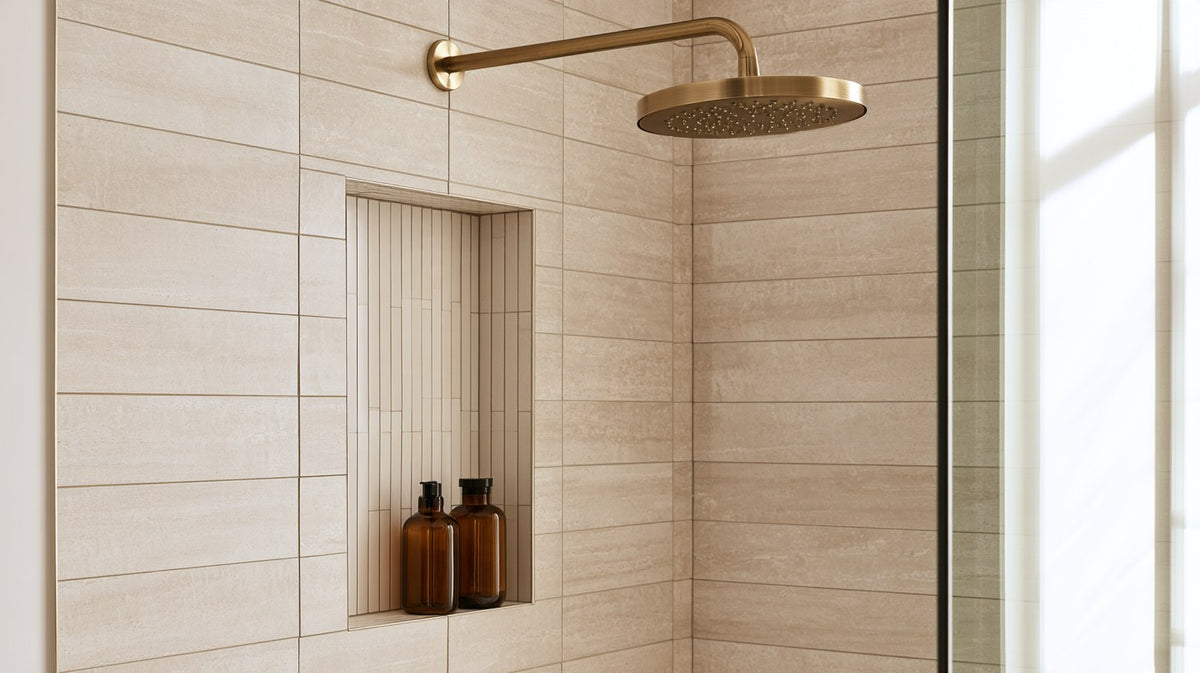
What is the best tile for shower walls? For most showers it is porcelain or ceramic: both handle water well on a wall, both clean easily, and both come in every size and look. Natural stone and glass are beautiful choices with more care involved. The tile matters, but so do the size of the tile, the grout, and the waterproofing behind it. This guide covers all of them.
Walls are easier than floors
A shower wall is not walked on, so it does not need the slip resistance or hardness a shower floor needs. That opens the door to glossy finishes, large formats, thin wall tiles and delicate mosaics that would be wrong underfoot. The two things a shower wall does need are water resistance and ease of cleaning.
Porcelain
Porcelain is dense and has very low water absorption, which by industry definition is at or below 0.5 percent. It resists moisture, stains and wear, and it comes in large formats and realistic stone and concrete looks. Porcelain is the most versatile shower tile: at home on walls, floors and anywhere in between.
Ceramic
Ceramic wall tile is lighter and softer than porcelain and absorbs a little more water, but behind a properly waterproofed wall it performs very well in a shower. It is easy to cut, comes in classic formats like subway tile, and often costs less than porcelain. Glazed ceramic is one of the most traditional shower wall tiles for good reason.
Natural stone
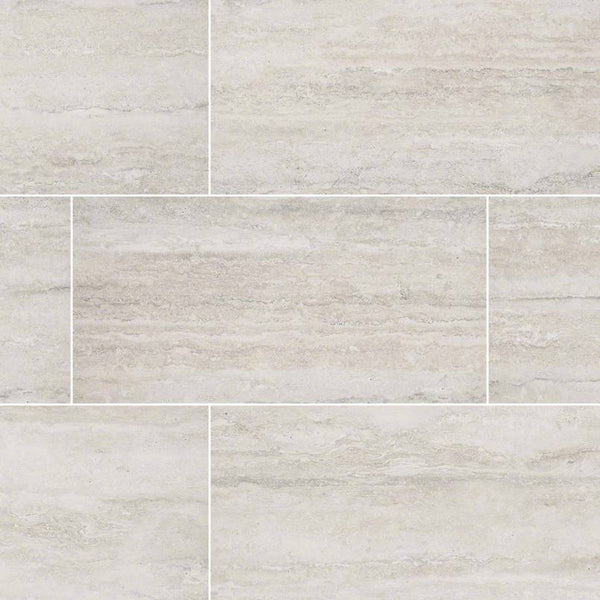
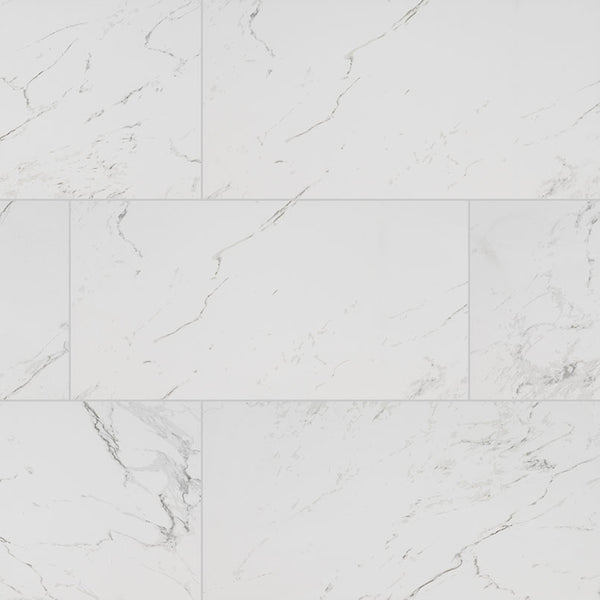
Marble, travertine and other stones bring natural veining and warmth. They are porous, so they need sealing, and marble can etch with acidic cleaners. In a shower, choose a pH-neutral cleaner and reseal on schedule. Stone mosaics make a beautiful shower floor or accent wall; for a large field of wall, a stone-look porcelain gives a similar look with less care.
Glass
Glass tile is non-porous and reflective, bringing light and color into a shower. It is best as an accent or a niche, since it shows water spots and needs careful installation with the right setting material.
Side by side
| Porcelain | Ceramic | Natural stone | Glass | |
|---|---|---|---|---|
| Water absorption | Very low | Low (glazed) | Porous; seal it | None |
| Care | Easy | Easy | Seal; pH-neutral cleaner | Shows water spots |
| Formats | Everything up to large slabs | Subway, squares, patterns | Mosaics, tiles, slabs | Mosaics, accents |
| Best use | Any shower wall | Classic walls, budgets | Accent walls, floors | Accents and niches |
Tile size and grout
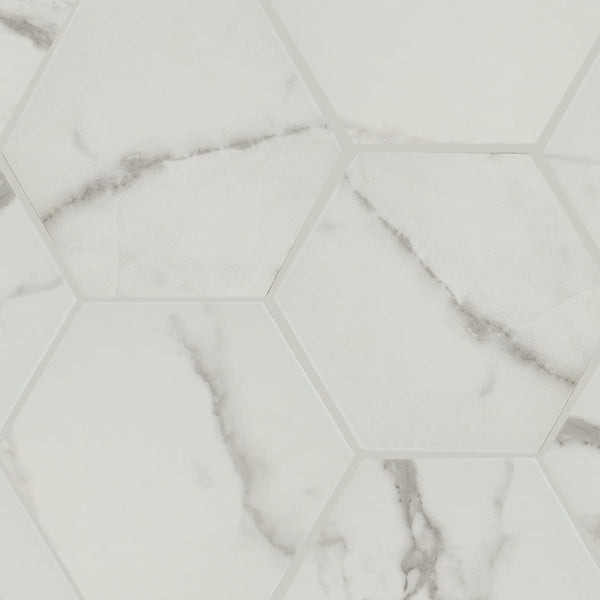
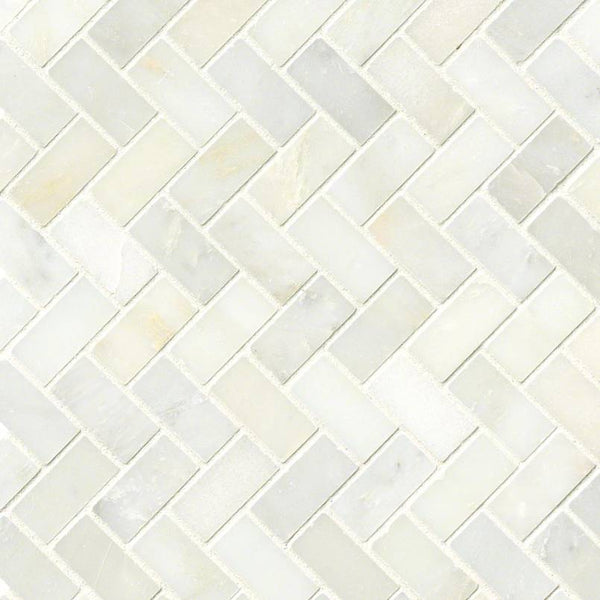
Grout lines are where soap scum and mildew collect, so fewer grout lines mean less scrubbing. Large-format tiles and long planks leave far fewer joints than small tiles. If you love a small tile such as a hexagon or herringbone mosaic, consider it for a niche or an accent strip and use larger tile for the main walls. A stain-resistant grout and a sealed cement grout both reduce upkeep.
What goes behind the tile
Tile and grout are not waterproof on their own; the waterproofing layer behind them is. A shower wall should be built over a proper backer board with a waterproofing membrane, or a waterproof board system, with seams and corners sealed. Whatever tile you choose, this layer is what keeps water out of the wall.
Finishes and color
Glossy finishes reflect light and wipe clean easily, which is why polished and glazed tiles are so common on shower walls. Matte finishes read softer and more natural, and they hide water spots between cleanings. Light colors make a small shower feel larger; darker tiles and grout hide soap residue less well but can look striking in a larger room. Consider continuing the shower wall tile across the rest of the bathroom wall, or setting it against a contrasting floor, so the shower reads as part of the room rather than a box within it.
Niches and benches deserve the same tile as the walls, with the cuts planned so grout lines align with the niche edges. That detail is what makes a tiled shower look custom.
Ordering tile for a shower
Measure each wall in square feet, including the niche and any bench, and add a waste allowance, higher for large formats and patterns that need more cutting. Order all the tile for the shower from the same batch so the color matches. Plan trim for the exposed edges, such as a finishing strip or bullnose, and choose the grout color with the tile in hand.
Frequently Asked Questions
Is porcelain or ceramic better for a shower wall?
Both work well on a shower wall. Porcelain is denser and absorbs less water, and it comes in larger formats; ceramic is lighter, easier to cut and often costs less. Behind a proper waterproofing layer, either performs well.
What size tile is easiest to clean in a shower?
Larger tiles are easiest to clean because they leave fewer grout lines, and grout is where soap scum and mildew collect.
Can I use marble in a shower?
Yes, with care. Marble is porous and can etch, so seal it, clean it with a pH-neutral cleaner and reseal it on schedule. A marble-look porcelain gives a similar look with less maintenance.
Is glass tile good for showers?
Glass tile is non-porous and works well in showers, especially as an accent or in a niche. It shows water spots, so it benefits from regular wiping.
Is shower tile waterproof?
The tile and grout are not a complete waterproof barrier. A waterproofing membrane or waterproof board system behind the tile is what keeps water out of the wall.
To take this from reading to ordering, browse porcelain and ceramic wall tile at Citadel Spaces, and size the order with the flooring and tile coverage calculator.
From the guide
Shop the tile in this guide