

Basement
Every surface a basement needs, specified for a concrete slab and the humidity above it.

A basement is specified against the slab beneath it rather than the room around it. Concrete carries moisture even when it looks dry, and below-grade air holds humidity that the rest of the house does not. The floor has to tolerate both without swelling, and the heating has to reach a space the main system was rarely sized for.



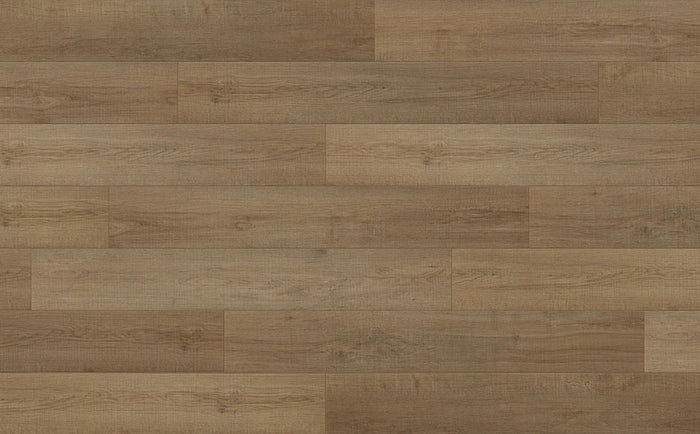
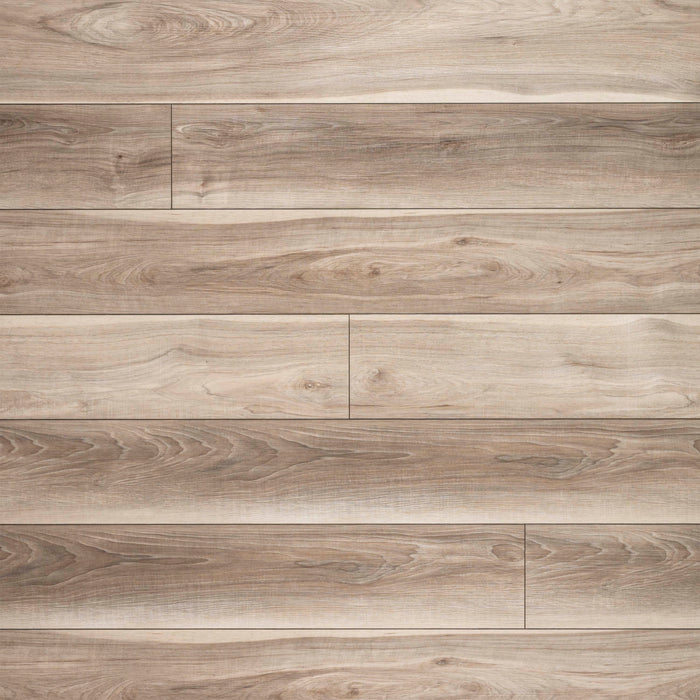
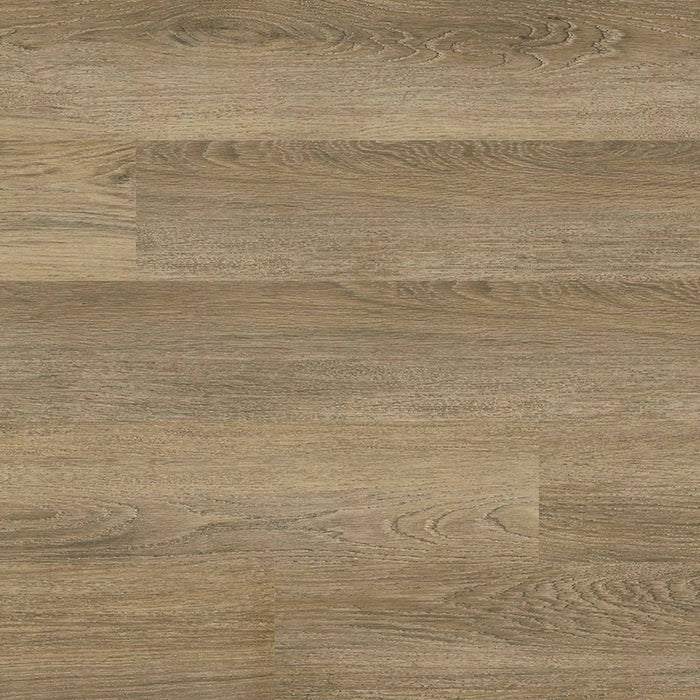
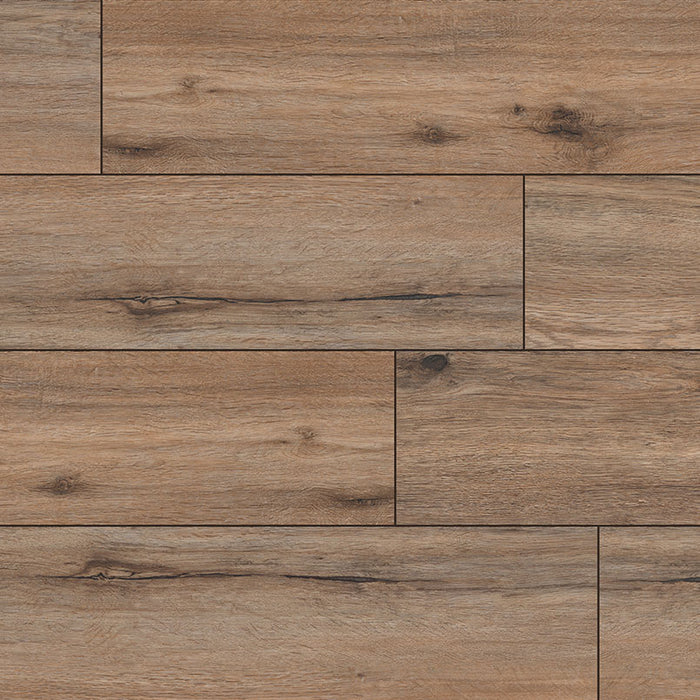




A curated range, specialist support on every order, and wholesale-direct pricing with no membership tier.
Solid hardwood should not go below grade. It absorbs moisture from the slab and from the air, and it will cup or gap. Engineered wood is possible over a tested slab with a vapour barrier; waterproof rigid core is the more forgiving answer.
A moisture test, done before the product is chosen rather than after. A slab that feels dry can still be pushing vapour upward, which is what lifts adhesives and swells wood-based cores.
Not if it is specified for it. Carpet tile is the safer route because a damaged square can be lifted and replaced without pulling up the run, and it tolerates the occasional wet incident far better than broadloom.
Most below-grade floors float over the slab rather than fastening into it, which lets the floor move independently as conditions change through the year.
Because the main system was usually sized for the floors above it. A ductless unit conditions the space directly, which is far simpler than extending ductwork into a finished basement.
Everything on Citadel is priced wholesale-direct. No membership tier, no markup for access.
