

Shop by Room
Bedroom
The Bedroom
Quiet, warm, and made to last
A retreat starts underfoot. Warm hardwood, quiet carpet, and luxury vinyl that make the bedroom the softest, most restful room in the home.
How to choose
Flooring
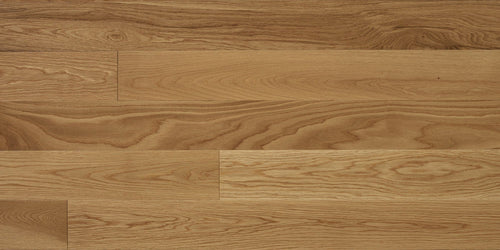
Wide-plank hardwood and luxury vinyl bring warmth underfoot; both are quiet and easy to live with in a bedroom.
Carpet & Comfort
Soft broadloom adds warmth and hush. Choose a durable fiber for high-traffic paths and stairs.
Underfoot Feel
Layer a rug over hard flooring for softness without committing the whole room to carpet.
5,000+ surfacesWholesale-direct pricingFinancing availableSacramento showroom
Build the Bedroom
Surfaces for the Bedroom


Shop the Look
Get the Bedroom Look
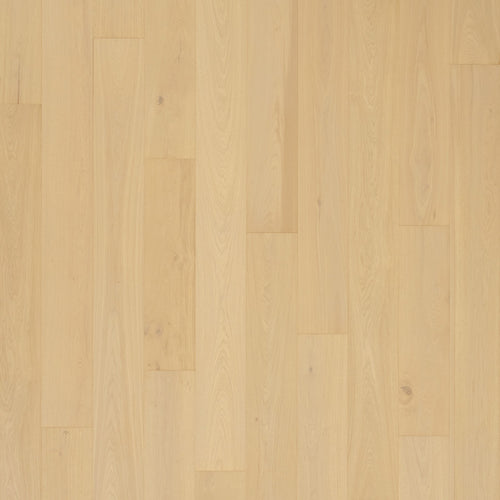
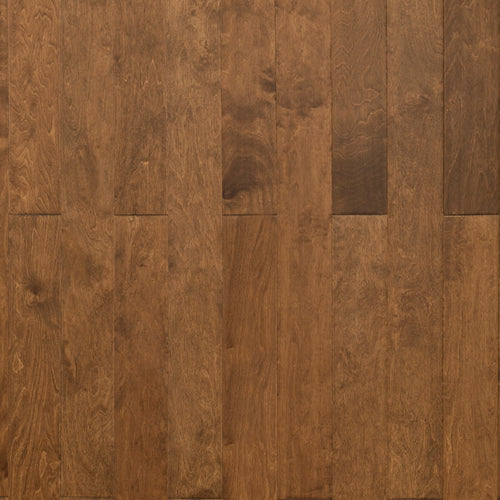
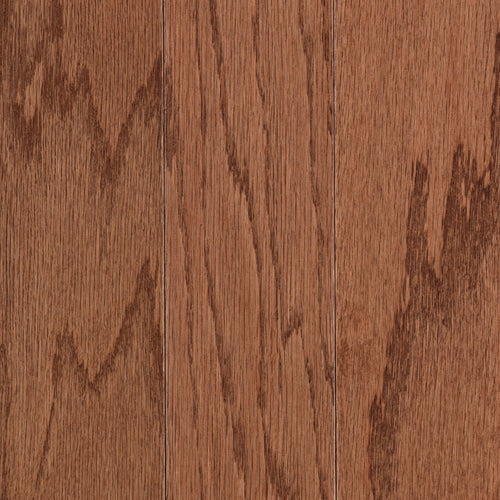
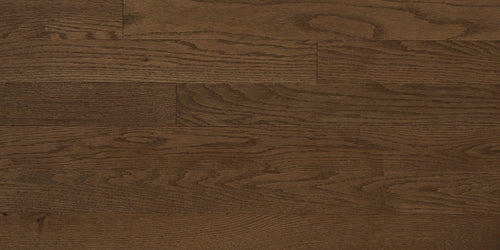
A curated cut of the products that define this room, ready to shop.
FAQ
Good to know
Hardwood or carpet in a bedroom?
Both work. Hardwood and vinyl are easy to clean and pair with rugs; carpet is warmest and quietest underfoot. Many homeowners do hardwood with a large area rug.
What is the quietest floor for an upstairs bedroom?
Carpet is quietest; luxury vinyl with an acoustic underlayment is a close second and far easier to maintain.
Is luxury vinyl good enough for a bedroom?
Yes. Modern wide-plank LVP looks like real wood, is fully waterproof, and is warm and quiet, ideal for bedrooms.
Can I use the same floor on the stairs?
Most hardwood and rigid-core vinyl lines offer matching stair treads and trims so the look carries through.
Is financing available?
Yes. Financing is available at checkout through Affirm, and for larger projects our team can help map out a plan.
See it before you buy
Preview finishes in your own space with the room visualizer, or book a showroom visit to see and feel the material in person.
Related reading
Guides for this space
GuideWaterproof Hybrid Rigid Core: The Quiet Flooring RevolutionRead the guide ›GuideWall Tile & Backsplash: Texture, Light, and the Quiet BackdropRead the guide ›GuideTravertine: A Quiet Mediterranean Comeback in 2026 InteriorsRead the guide ›GuideThe Threshold & Sill Story: 43 SKUs of Quiet LuxuryRead the guide ›GuideSlate: Texture, Durability, and the Floor That Wears QuietlyRead the guide ›