

Stairs
Every surface a staircase needs, measured tread by tread and finished at the nosing.

A staircase is the hardest-working surface in a house and the least forgiving of an approximation. Every tread and riser is a fixed dimension that has to be measured rather than assumed, the nosing absorbs wear that a floor spreads across a whole room, and a surface that is merely slippery underfoot elsewhere becomes a genuine hazard here.


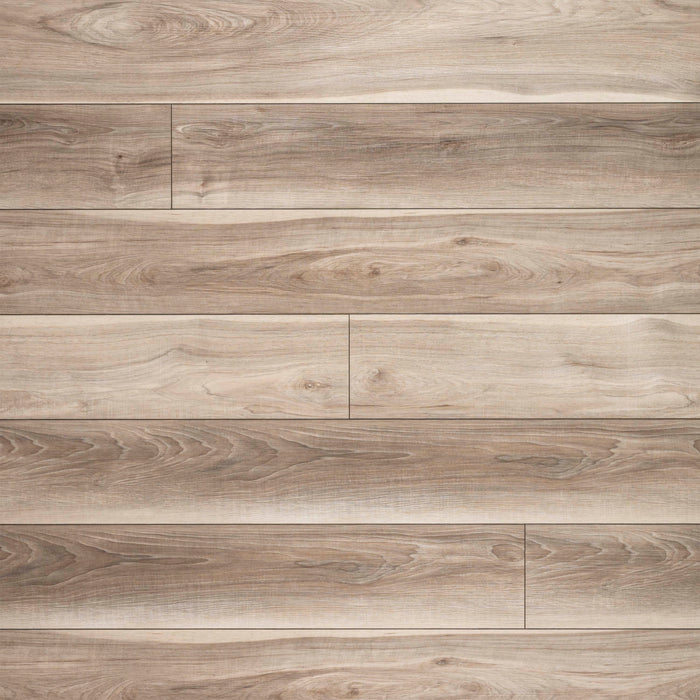
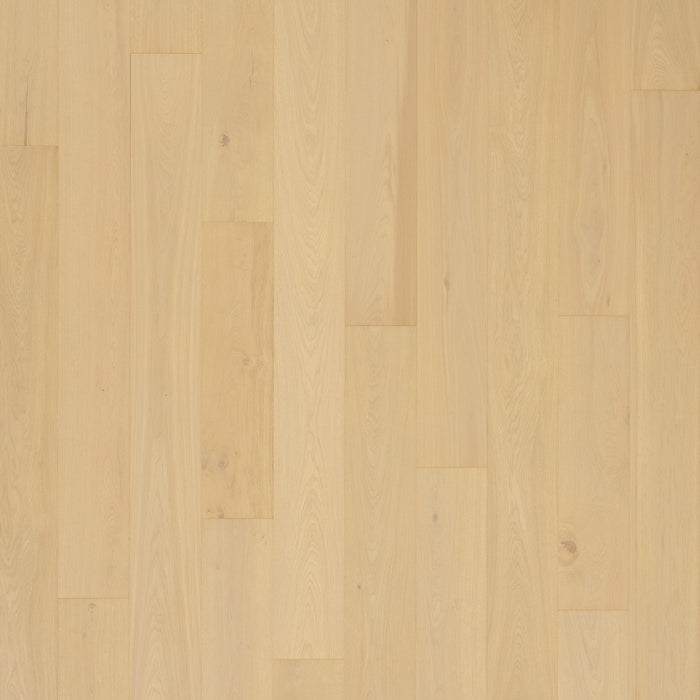
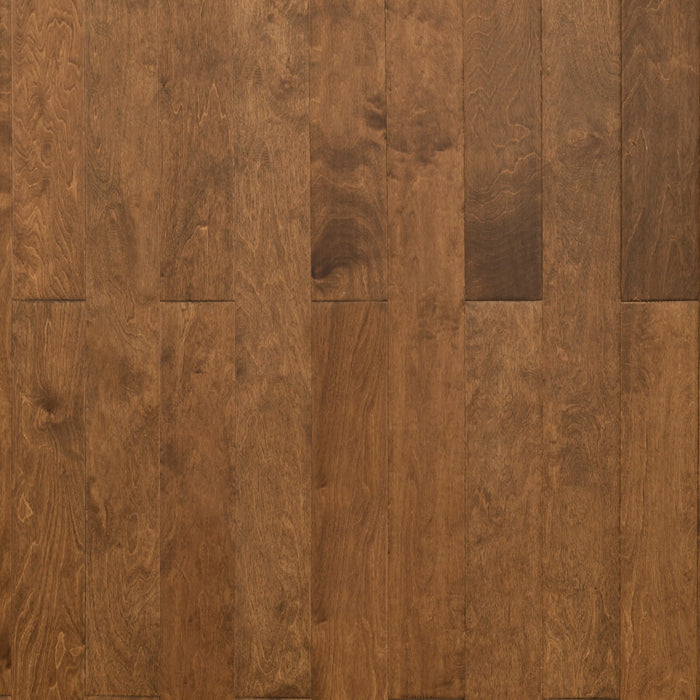
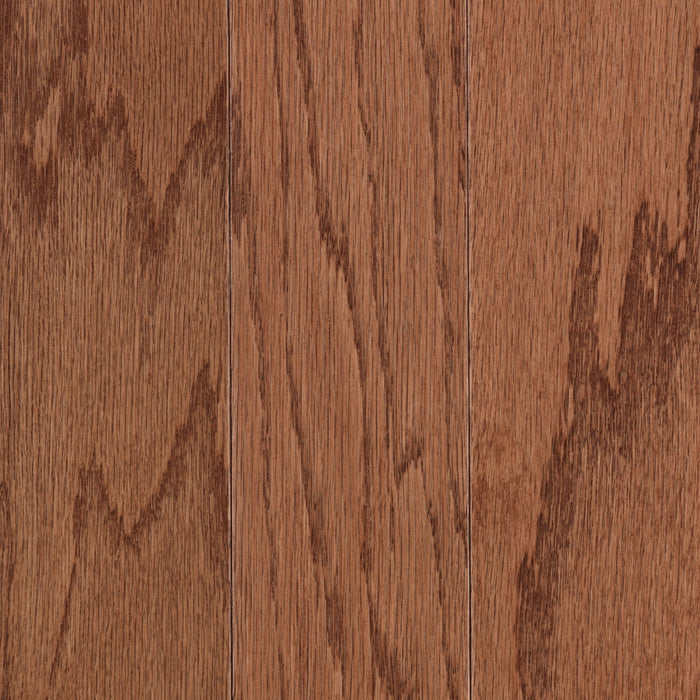
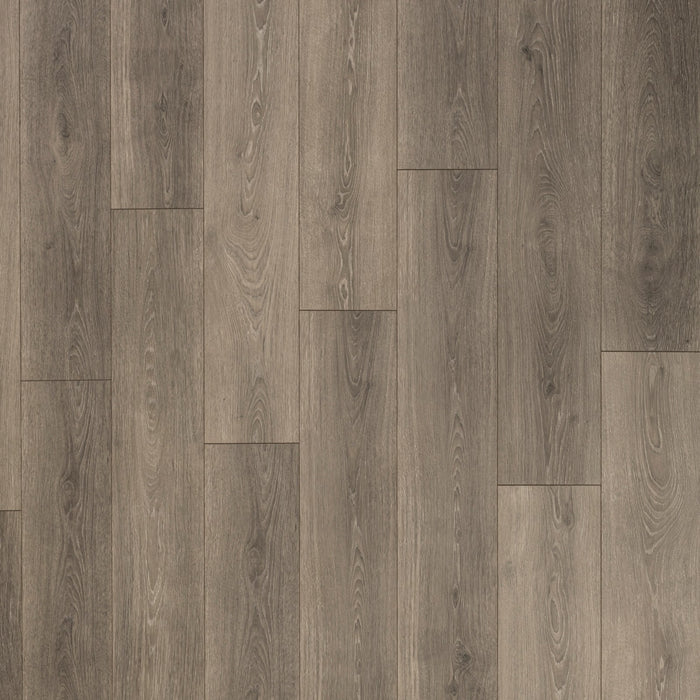
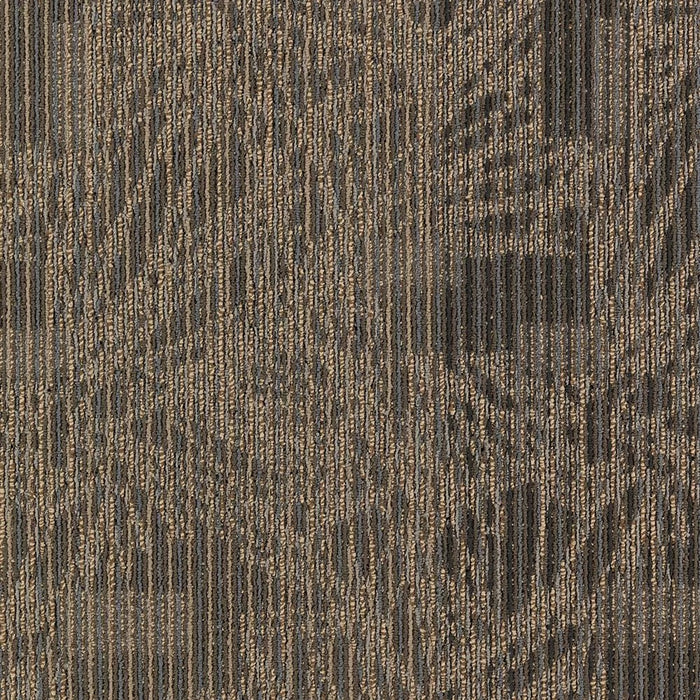
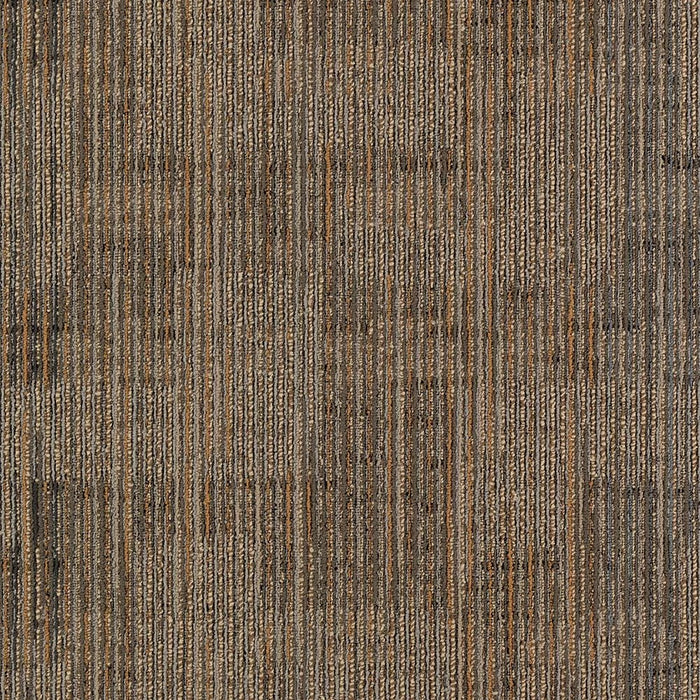
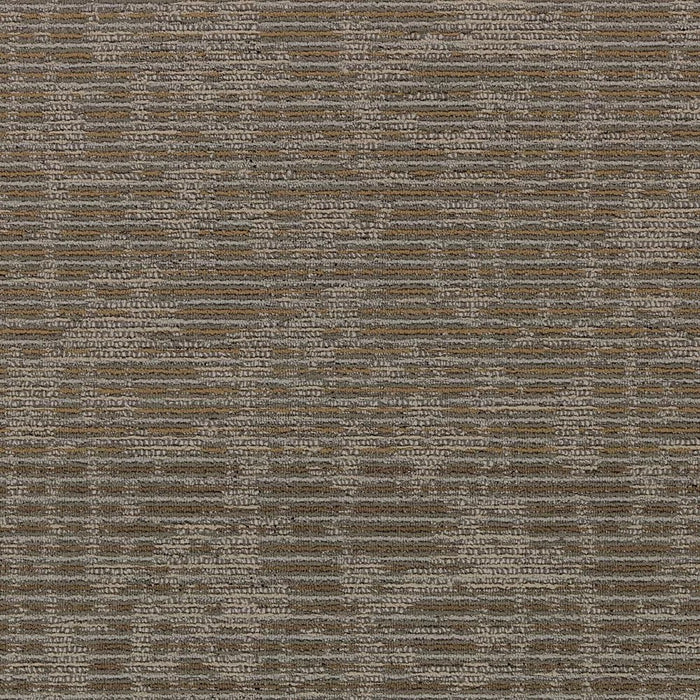
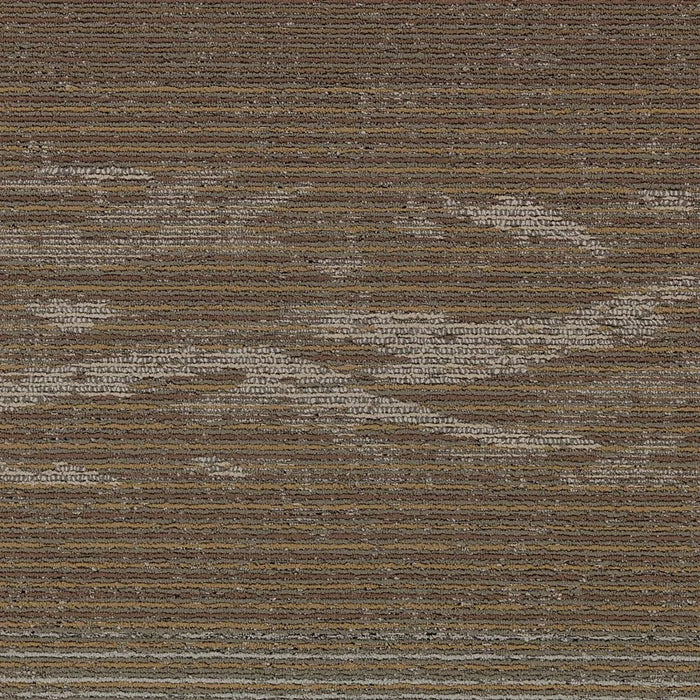
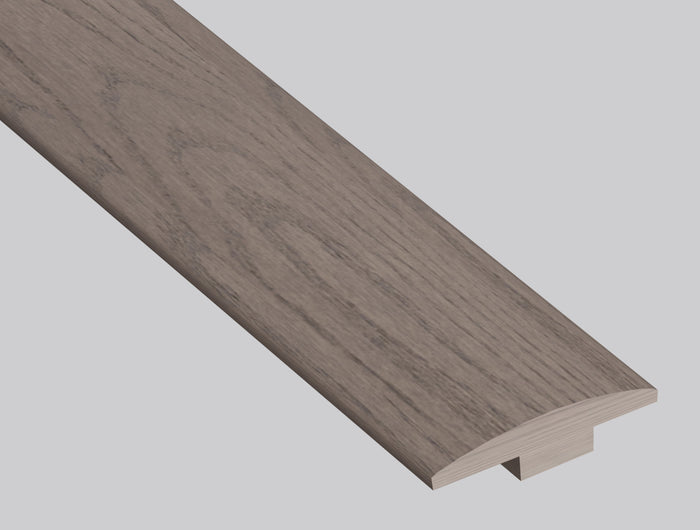
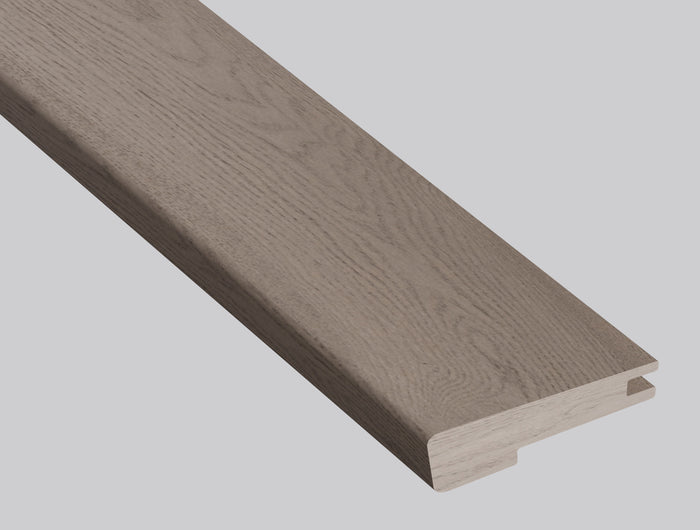
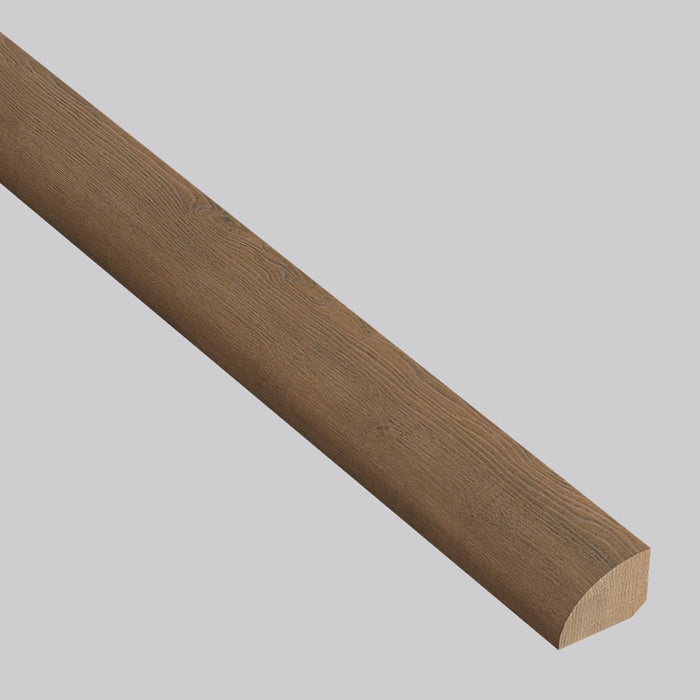

A curated range, specialist support on every order, and wholesale-direct pricing with no membership tier.
Usually yes, and most people should, because a staircase that matches the floor it lands on reads as one surface. What changes is the detailing: treads are cut individually and the nosing is a separate profile that has to be ordered alongside the field product.
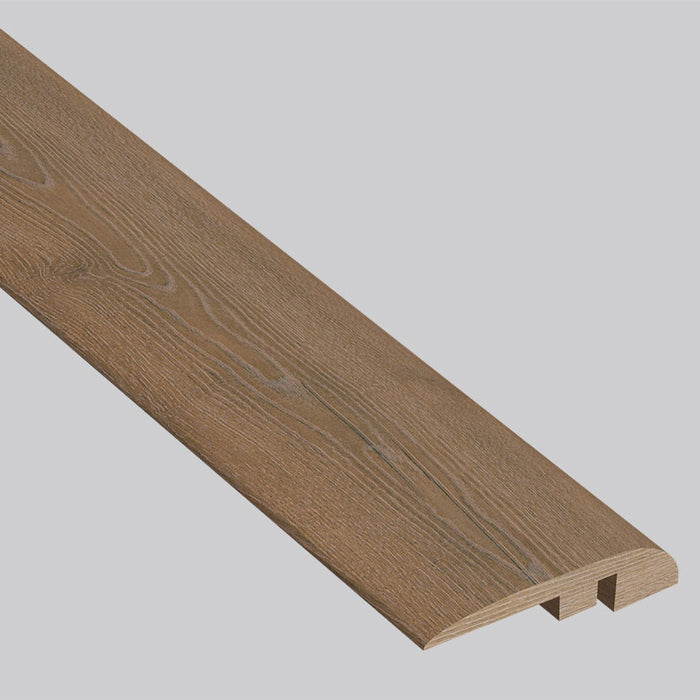
It is the profile that finishes the front edge of each tread. It takes the majority of the wear on a staircase, it defines where the foot lands, and it is the single most common thing left off an order until it is too late.
Yes. Very few staircases are built to identical dimensions from top to bottom, and the differences are large enough to matter once a tread is cut. Measuring each one is the difference between a clean flight and a set of visible gaps.
Wood reads cleaner and refinishes in place; carpet is quieter underfoot and adds grip. A runner over a wood tread is the common middle ground, with the nosing left exposed on either side.
It matters more. A finish that performs acceptably on a flat floor can be genuinely unsafe on a tread, which is why stair surfaces and their nosings are considered separately rather than inherited from the floor.
Everything on Citadel is priced wholesale-direct. No membership tier, no markup for access.
