Design Trends
The Material Aging Playbook: Brass, Soapstone, Travertine & What Beauty Looks Like Over Time
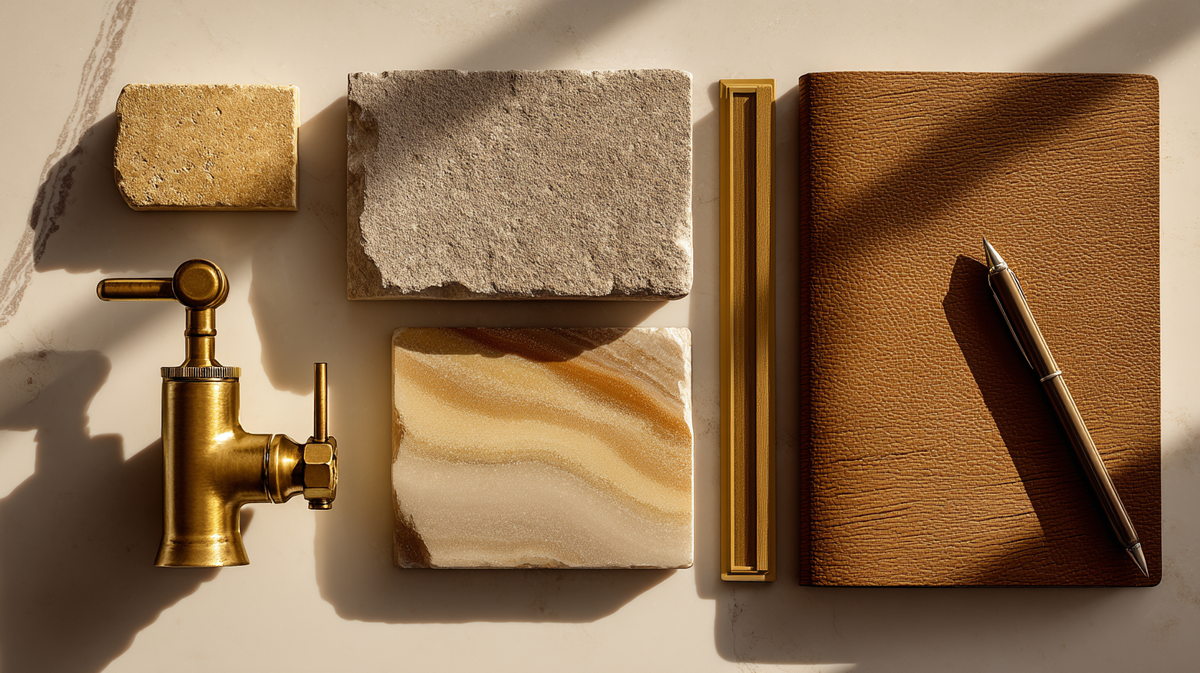
Two opposing aesthetic philosophies divide residential material specification. The first wants materials that read identical from install to year 30, engineered surfaces, sealed finishes, mirror-bright hardware that never tarnishes. The second wants materials that age. That develop patina and character across decades, becoming more beautiful over time rather than fighting time. The 2026 luxury residential conversation is increasingly favoring the second.
This guide is the playbook for the second approach, which materials actually age well, what their patina trajectories look like, and how to specify materials that compound character over decades. The cluster includes individual deep-dives, unlacquered brass, soapstone comeback, travertine comeback, but the playbook reads them together as a coordinated approach.
The Two Philosophies
Materials that resist aging, engineered quartz, sintered stone, lacquered brass, vinyl flooring, plastic-laminate cabinets, produce homes that look identical at year 10 to year 0. The benefit is predictability and low maintenance. The cost is that the home doesn't develop character with use; year-10 reading is essentially "still new" rather than "lived in."
Materials that age, natural stone, real wood, unlacquered brass, real metal, leather, natural fiber textiles, produce homes that develop visible character through use. The benefit is that the home becomes more beautiful over time, accumulating the marks of life. The cost is that the materials require more attention and can be misread as "wearing out" rather than "aging into character."
Most considered residential homes blend both philosophies, engineered or unchanging materials in some applications, character-aging materials in others. The playbook below covers when and how to specify the aging materials.
Unlacquered Brass: The Hardware Aging Material
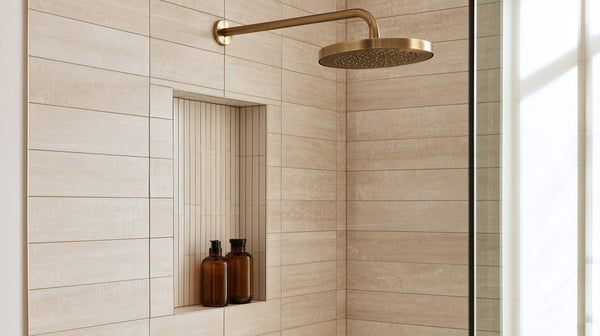
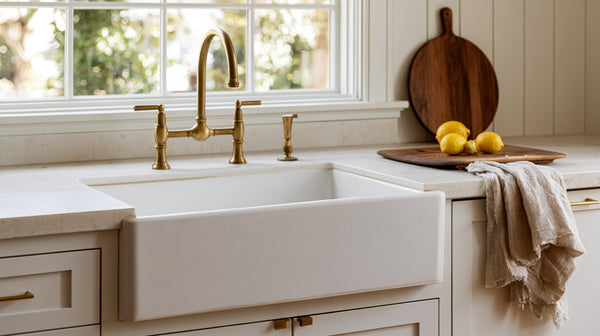
Brass without a protective lacquer coating develops patina across years, darkening from polished gold to honey-warm to deeper antique character. Most-handled spots (faucet handles, frequently-pulled drawer hardware) develop two-tone reads as the patina concentrates at touch points. Year 10 brass reads dramatically more characterful than year 1.
Specify in: kitchen and bath faucets, cabinet hardware, door hardware, lighting fixtures. Coordinate brass throughout for visual consistency. See our full unlacquered brass guide.
Avoid: lacquered brass (which fights aging) or brass-plated alternatives (which fail rather than patina).
Soapstone: The Patina-Forward Counter
Soapstone is one of the rare counter materials specifically designed around patina. The natural soft grey stone darkens dramatically with mineral-oil treatment, moving from light grey at install to deep charcoal-black with character marks within months. The patina deepens over decades.
Specify in: kitchens (especially traditional and warm-modern) and butler's pantries where the patina is the design intent. Pair with warm wood-tone or sage cabinetry for the strongest visual integration. See the soapstone slab collection and our soapstone comeback guide.
Avoid: as the only counter in a household that doesn't want the patina trajectory; soapstone fights buyers who want unchanging.
Travertine: The Patina-Forward Stone
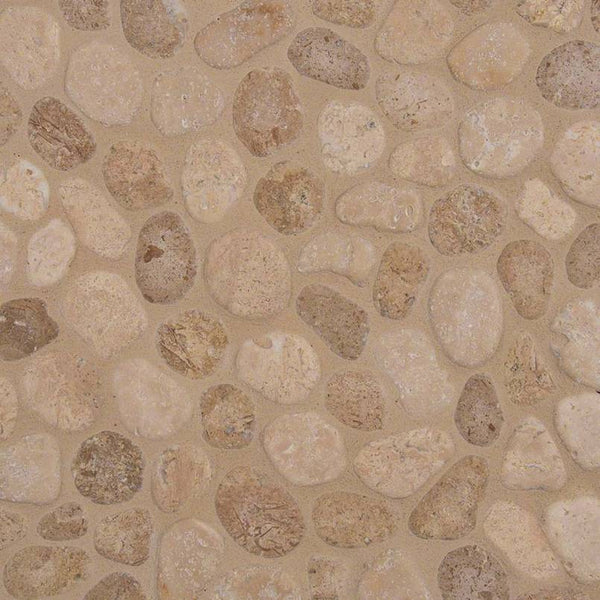
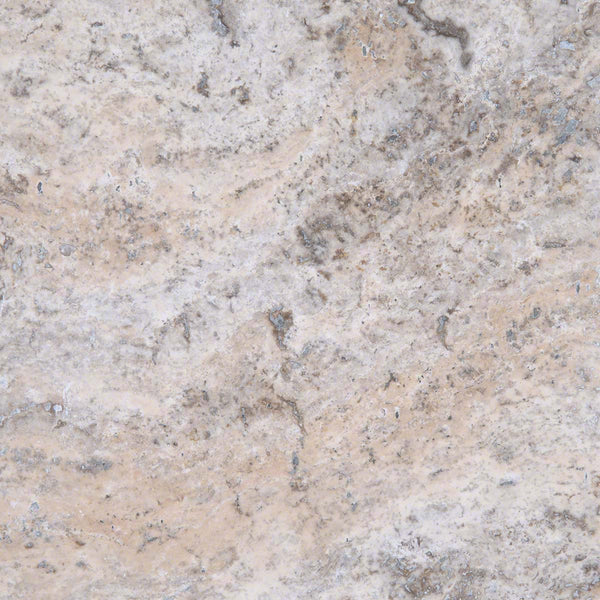
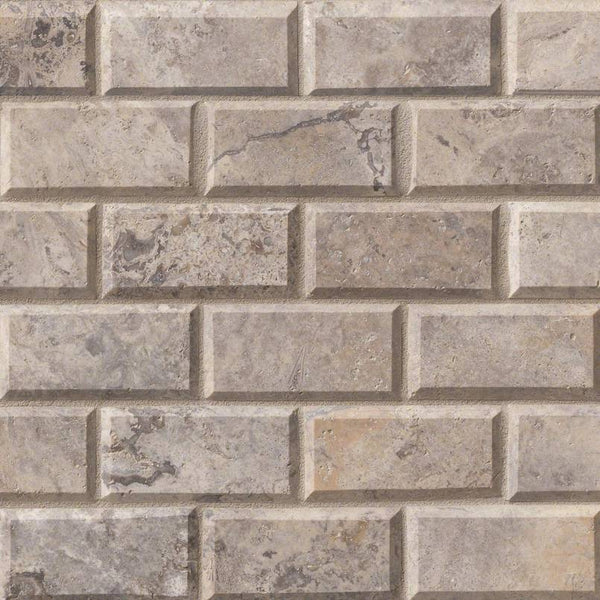
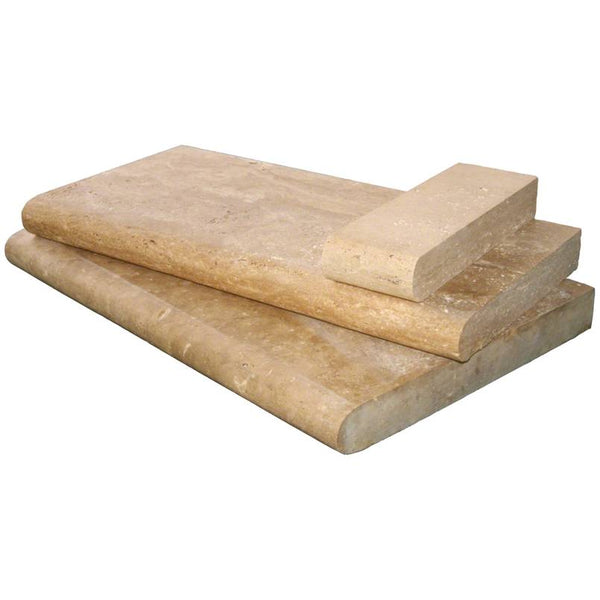
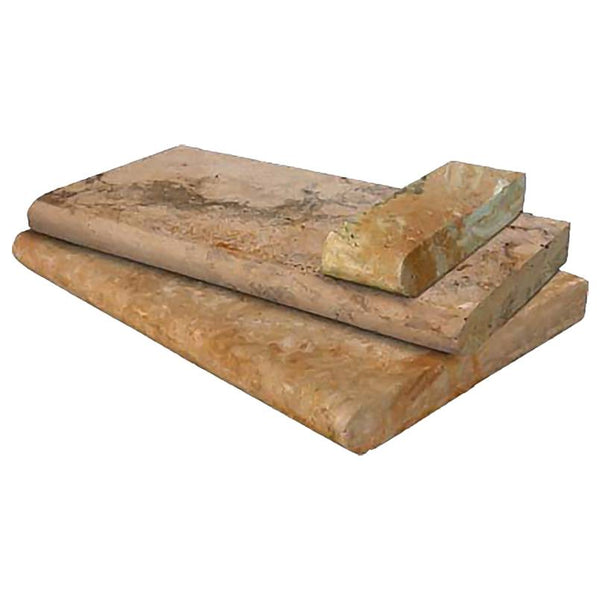
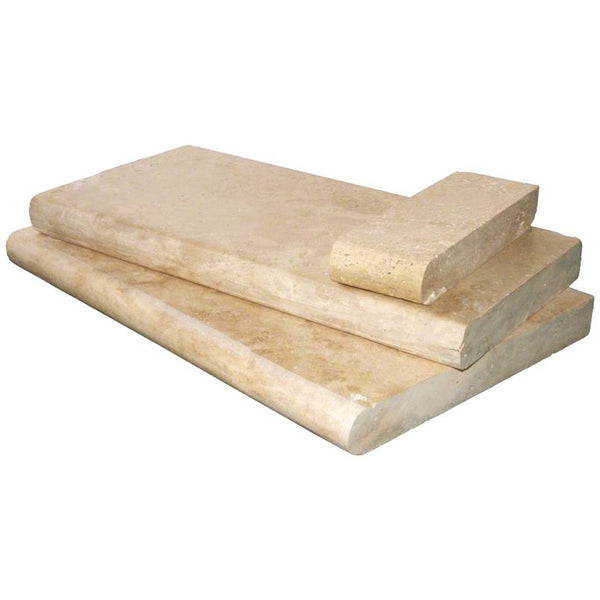
Travertine softens visibly across decades, the warm-cream stone develops gentle tonal variation, the small voids characteristic of travertine accumulate subtle character, foot-traffic patterns become visible as gentle paths.
Specify in: pool decks, Mediterranean-modern interior floors, single-bath floors as warm refuge, fireplace hearths, exterior accents. See our travertine comeback 2026 guide and travertine slab collection.
Avoid: contemporary minimalist applications that want unchanging; travertine's aging is the design feature.
Marble: The Patina-Trajectory Counter
Marble develops patina differently than soapstone, gentler, slower, with small etches accumulating from acidic spills (lemon, wine, tomato) that produce dull spots rather than tonal change. A working-kitchen marble counter at year 15 has dozens of small etches that read collectively as character if the buyer wanted character; as damage if they didn't.
Specify in: vanities and bathrooms (where acidic spill exposure is minimal), light-use kitchens (vacation homes, urban apartments), feature applications. See our marble tile guide and marble slab collection.
Avoid: as primary counter in a household that doesn't want etching; marble's etching pattern is dramatic over time. For working kitchens with acid-spill concerns, quartzite delivers similar visual without the trajectory.
White Oak Hardwood: The Patina-Forward Floor
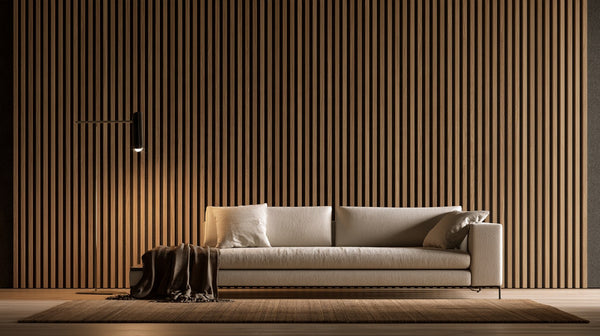
White oak develops gentle character across decades, slight tonal variation as UV exposure differentiates sun-exposed from shaded zones, subtle wear patterns become visible as gentle paths, occasional dents from dropped objects accumulate as character marks. Wire-brushed white oak with hand-applied oil finish develops the most pronounced character; smoother factory-finished oak develops less.
Specify in: living rooms, dining rooms, bedrooms, primary suites, any room where the floor's character development is welcome. See the hardwood collection and our flooring decision pillar.
Avoid: kitchens with heavy work patterns and pets, bathrooms (water exposure too aggressive), any application where consistent appearance is required.
Walnut: The Warm-Modern Aging Material
Walnut shares oak's aging trajectory but lighter, less dramatic patina development, gentler tonal evolution. The wood develops slight warming over years, with minimal pattern darkening. Walnut floors at year 20 read as warmly-aged premium hardwood.
Specify in: warm-modern interiors, bedroom suites, home office and library applications. Walnut is more expensive than oak and reads more refined; for the right contexts, the premium is worth it.
Stacked Stone Veneer: The Natural-Texture Aging Material
Natural stacked stone ages slowly but visibly over decades, colorways soften, mortar joints develop slight character, exterior installations develop weather pattern. Manufactured stacked stone fakes the look of natural at install but doesn't age the same way; the engineered product can develop visible damage at year 15 rather than character. Specify natural where the long-horizon character matters.
See our stacked stone veneer spotlight guide.
Linen and Natural-Fiber Textiles
Beyond hard materials, soft furnishings have their own aging trajectories. Linen develops a softer, more lived-in character over years of use. Wool rugs develop patina and the small wear patterns that read as having been used. Leather upholstery develops the most dramatic patina, every contact point softens and darkens, the surface developing the character that makes vintage leather furniture so valuable.
For interiors that lean into the patina aesthetic, soft furnishings should match the philosophy. Linen rather than synthetic, natural-fiber rugs rather than polypropylene, real leather rather than synthetic alternatives.
The Patina Trajectory Across Coordinated Materials
The strongest patina-forward interiors coordinate aging materials so the entire home develops character together. A house with brass hardware, soapstone counters, travertine bath floor, white oak hardwood, and linen-and-wool textiles ages as a coordinated system. Year 10 reads as integrated lived-in character; year 20 reads as established luxury; year 30 reads as the kind of home that looks better than new construction.
The opposite, engineered everything, lacquered brass, sintered counters, vinyl flooring, produces homes that read identical for decades but never develop the lived-in character that makes architectural homes feel like refuges rather than display spaces.
Daily Care That Supports Aging
The care protocols for aging materials are different from the care protocols for engineered materials. For aging materials:
- Light cleaning rather than aggressive cleaning. The patina is what you want; harsh cleaners strip character.
- Specific products for specific materials, pH-neutral stone cleaner for stone, mineral oil for soapstone, brass-friendly cleaning for unlacquered brass
- Acceptance of imperfection. The small etch on marble, the darker patina on the most-touched brass, the gentle wear on the floor at the kitchen entry, all are character rather than damage.
For specific care guides, see sealing natural stone, caring for quartzite, and the individual deep-dives linked above.
The Long-Horizon Specification Decision
For homeowners considering the patina-forward versus engineered-stable choice, the decision often turns on time horizon and aesthetic philosophy.
Long-horizon owners (20+ years): Patina-forward materials compound in character. The home reads more beautiful at year 20 than at year 0.
Short-horizon owners (5-7 years): Engineered-stable materials read identical at sale to install. The patina-forward materials may not have developed enough character to read as feature; they may read as "needs updating."
Aesthetic philosophy: Buyers who specifically want lived-in character should specify patina-forward; buyers who want unchanging predictability should specify engineered.
Most considered residential leans toward patina-forward in dominant volumes (counters, floors, hardware, walls) with engineered-stable in specific applications where unchanging matters (outdoor kitchen counters, high-traffic commercial-residential surfaces, applications where maintenance schedules can't be sustained).
Where to Start
For homeowners interested in patina-forward specification, the strongest starting moves: specify unlacquered brass throughout the hardware language, choose a patina-forward counter material in at least the primary kitchen or bathroom, choose hardwood or wood-look in dominant flooring volumes, and embrace the small character marks as feature rather than damage. Browse the countertops library, hardwood, travertine slabs, soapstone slabs, and kitchen faucets for the patina-forward material categories. For deeper context, our neuroscience of calm interiors pillar, patina-forward materials are also among the strongest biophilic specifications.
From the guide