Buyer Guide
Hardwood vs LVT vs WPC: The Floor That Fits Your Life
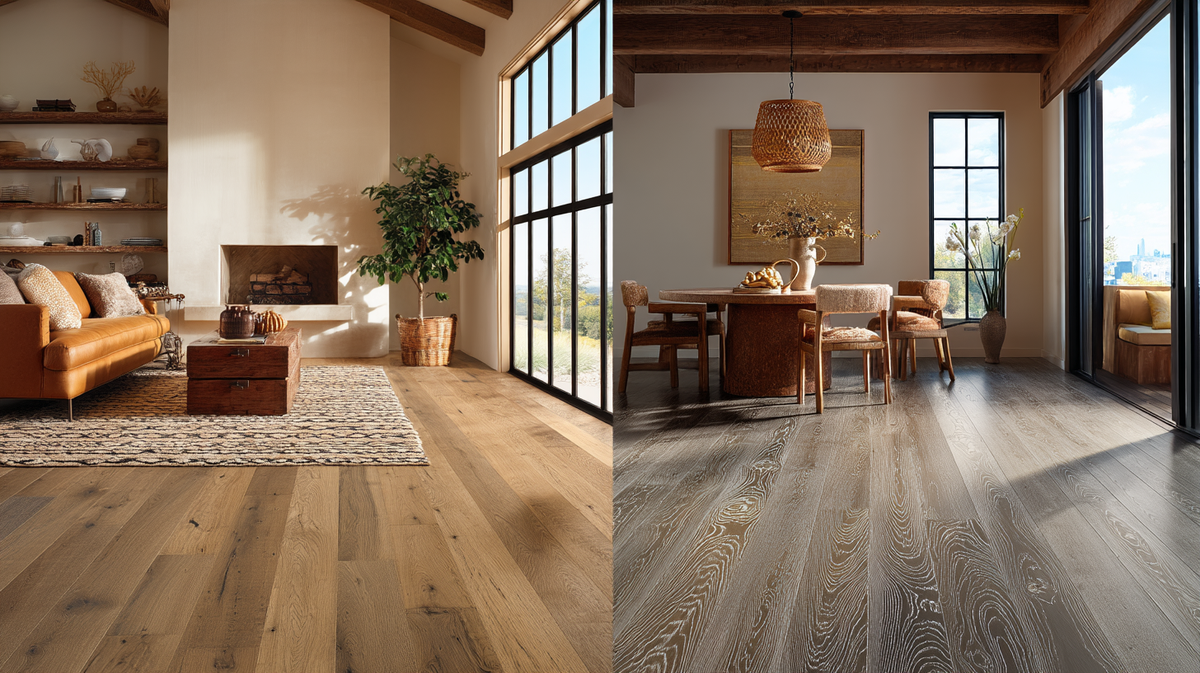
The flooring decision matters more than most homeowners realize. Floor covers more square footage than any other finished surface in the house, runs through every room, and either holds the architecture together or fights it. The three-way modern decision, hardwood, luxury vinyl tile (LVT), waterproof hybrid rigid core (WPC and SPC), is fundamentally a question about how the floor needs to behave, not just how it needs to look.
This pillar guide walks through each material in depth, then provides the framework for choosing between them, then maps specific rooms to specific recommendations. Linked throughout: the Nove cluster, the rigid core deep-dive, and the wellness pieces that explain why floor reflectivity affects sleep and mood.
Hardwood: The Floor That Patinates
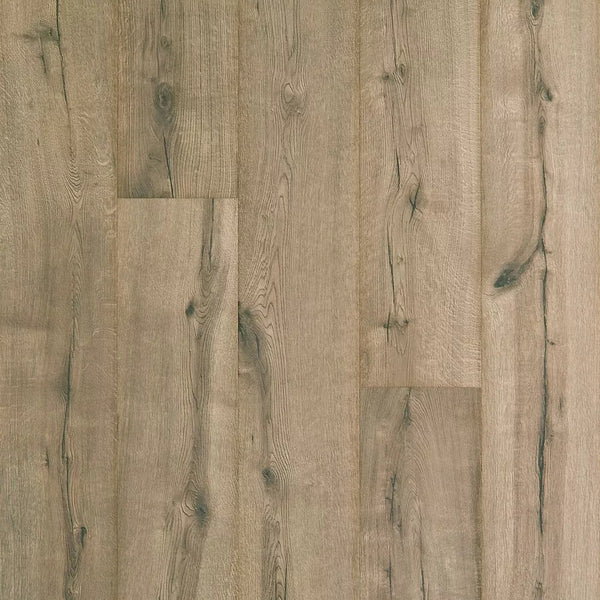
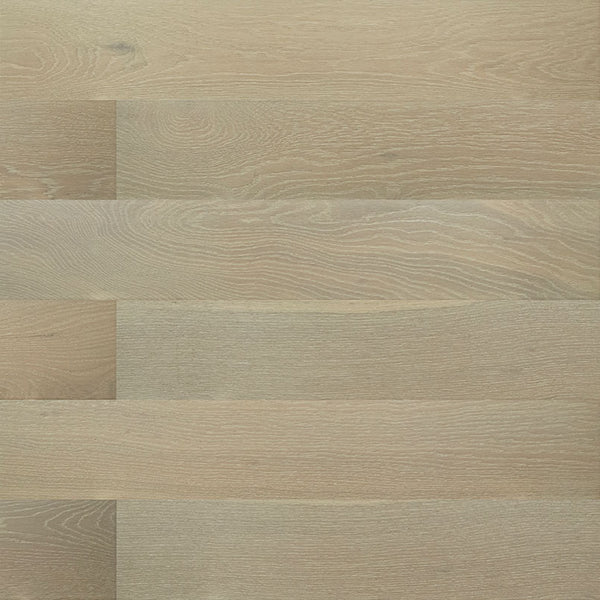
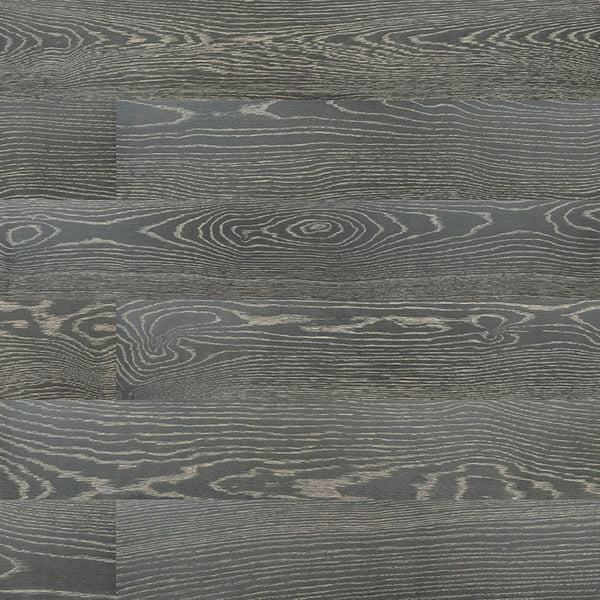
Hardwood is the only one of the three that's actually wood. Solid sawn boards or engineered planks with a real wood veneer, finished with stain and topcoat or oil. The species varies, domestic oak (red and white), maple, hickory, walnut, and the increasingly popular European white oak; exotic species like teak and Brazilian cherry have largely faded from premium specification.
Hardwood does what no engineered material does: it ages with character. Boards develop subtle tonal variation across years of UV exposure, foot traffic patterns become visible as gentle paths, the small dents and scratches read as patina rather than damage. A well-maintained hardwood floor at year 30 reads more beautiful than at install.
The trade-offs are real. Hardwood expands and contracts with humidity, demanding climate-controlled environments to behave well. It scratches; pets, dragged furniture, and hard heels all leave marks. It needs periodic refinishing, every 7 to 15 years for a moderately used floor, to remove accumulated wear. It's vulnerable to water; spills want fast cleanup, and standing water (a leaking dishwasher, a flooded bathroom) can ruin a section.
The hardwood collection carries the curated set across species and finish. For projects where hardwood's specific patina trajectory is the design intent and the maintenance schedule is realistic, no other material competes.
LVT: The Floor That Doesn't Apologize
Luxury vinyl tile is a multi-layer engineered product. The core is rigid PVC; the visual layer is a high-resolution photographic print of wood, stone, or concrete; the wear layer is transparent vinyl that takes the daily abrasion. Quality LVT, Nove, COREtec, and similar premium lines, produces a visual that reads convincingly natural at viewing distance and behavior that handles everything wood doesn't.
LVT is waterproof. Spills, mopping, even prolonged standing water leaves no damage. The surface is harder and more scratch-resistant than wood (within the limits of the wear layer thickness, see our Nove curator guide for the wear-layer math). It's dimensionally stable across humidity changes; the floor doesn't move with the seasons. It installs over imperfect substrates, including over existing hard floors, with minimal preparation. And modern LVT comes in wide-plank formats (the Nove line is 9 inches wide) that read as appropriate for premium residential.
The trade-offs: LVT doesn't develop patina. The floor at year 10 looks essentially identical to the floor at install. Wear, when it comes, reads as wear rather than character. The product is also fully synthetic, for buyers who specifically want natural materials, that's a missing dimension. And while premium LVT reads convincing, the print is still a print; close examination reveals it's not wood.
The luxury vinyl flooring collection covers the full library, including the Nove, Nove Plus, and Nove Reserve tiers. Luxury vinyl tile and luxury vinyl plank carry overlapping product subsets.
WPC and SPC: The Rigid Core Generation
Waterproof hybrid rigid core is the newer, denser cousin of conventional LVT. Two technologies share the category:
WPC (Wood Plastic Composite), a denser core blend that includes wood flour, producing a slightly warmer, slightly more forgiving feel underfoot than pure-PVC LVT. Better acoustic performance, the floor reads quieter when walked on. Slightly thicker overall planks (typically 6 to 8mm) than conventional LVT.
SPC (Stone Plastic Composite), a stone-mineral filled rigid core, harder and more dimensionally stable than WPC. Reads firmer underfoot. Best dimensional stability of any vinyl product across temperature and humidity changes; the right choice for heated subfloors, sunrooms, and any environment with significant climate variation.
Both systems install via click-lock floating systems, no glue, no nails, no fastening to the substrate. Faster install than glue-down LVT, easier removal and replacement, more forgiving of small substrate irregularities. The 2026 default for most residential vinyl installations is rigid core in one form or another rather than conventional dryback or glue-down LVT.
Browse the waterproof hybrid rigid core collection for the full library, and see our deep-dive rigid core flooring guide for the WPC vs SPC decision.
The Decision Framework
The three-way decision turns on four orthogonal questions. Run your project through each and the answer emerges.
Q1: Will the floor get wet?
- Yes regularly (kitchens, baths, mudrooms, basements), LVT or WPC/SPC. Hardwood is wrong.
- Occasionally (most living spaces), any of the three, with hardwood requiring more attentive cleanup.
- Never (formal living rooms, bedrooms in dry climates), any of the three.
Q2: Do you want the patina trajectory or do you want unchanging?
- Patina (the floor improves with character over time), hardwood.
- Unchanging (predictable behavior, looks the same in year 10), LVT or rigid core.
Q3: How dimensionally stable does the install need to be?
- Heated subfloor or radiant heat, SPC or specially-rated engineered hardwood. Avoid solid hardwood.
- Sunroom or significant climate variation, SPC or rigid core.
- Standard residential climate-controlled, any.
Q4: What's the substrate?
- Concrete slab on grade, LVT or rigid core (hardwood requires moisture barrier and engineered planks).
- Existing hard floor (ceramic tile, vinyl), rigid core float-installs over the top with minimal prep.
- Wood subfloor over crawl space, any.
Specific Room Recommendations
Living rooms, family rooms, bedrooms
Any of the three works. The decision turns on the patina question and the household's pet/traffic intensity. Hardwood for buyers who want the long character trajectory and are realistic about maintenance. Premium LVT (Nove Plus or Nove Reserve, see our Nove curator guide) for households with children, large dogs, or frequent guests where the durability matters more than the patina.
Kitchens
LVT or rigid core. Hardwood in a kitchen is workable but high-maintenance, every spill needs immediate cleanup, the area in front of the sink wears faster than the rest of the floor, and refinishing has to navigate the cabinets. The Nove line in Plus or Reserve tier handles kitchens beautifully and the wide-plank format reads premium.
Bathrooms
LVT or rigid core only. Even the most water-resistant hardwood treatments fail under the standing-water exposure of a bathroom. Tile is the traditional alternative; rigid core gives the warmth-of-wood look without the vulnerability and is the 2026 contemporary alternative.
Basements
Rigid core (SPC specifically). Concrete slabs in basements have moisture migration that hardwood can't tolerate; LVT can be vulnerable in this context. SPC handles it.
Mudrooms and entries
The most punishing residential floor. Tile is traditional and right; SPC rigid core handles it almost as well with a softer feel. Ceramic and porcelain tile from our catalog is the alternative if you want the harder surface.
Heated subfloor / radiant heat
SPC rigid core or radiant-rated engineered hardwood. Solid hardwood and standard LVT both have problems with radiant heat, solid wood expands and contracts dramatically, and conventional LVT can soften and shift. SPC and radiant-rated products are engineered for the application.
Acoustic Performance
Hardwood and SPC read sharper and harder underfoot, heel strikes are audible, conversation reverberates more. WPC and high-quality LVT with attached underlayment read quieter; the floor feels softer, the room is acoustically calmer. For multi-story residential, second-floor flooring choice meaningfully affects how much sound transmits to rooms below; rigid core with proper underlayment outperforms hardwood acoustically.
We cover the acoustic question in depth in our acoustic flooring guide.
Aesthetic Reading
The three materials read meaningfully different in person, even when they share a colorway.
Hardwood reads warmest and most natural, the actual grain, the real material depth, the slight tonal variation board to board.
Premium LVT (Nove and similar) reads convincingly wood-like at viewing distance but more uniform under close examination, every plank within a colorway reads near-identical, where hardwood has plank-to-plank variation.
WPC reads slightly warmer than SPC underfoot and slightly closer to wood in tactile feel. SPC reads harder and more like tile in feel, while still photographing as wood.
Light Reflectivity and Sleep
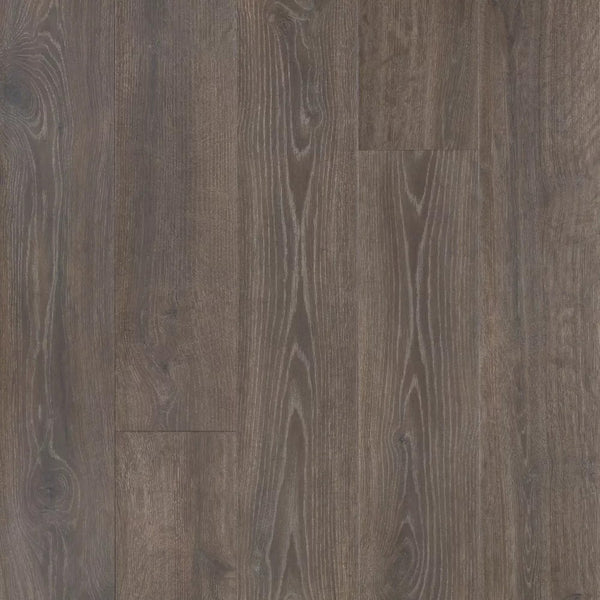
Floor color and reflectivity have a real effect on how much light bounces around a room, and on circadian regulation. Lighter floors reflect more morning light into bedrooms, accelerating wake-up; darker floors absorb morning light, supporting sleep. We cover the science in our light, surface, and cortisol guide. The implication for floor specification: bedroom floors lean darker (Hatfield in Nove, dark stained oak), kitchen and family room floors lean lighter (Bayhill Blonde, honeyed oak).
Indoor-Outdoor Continuity
Where flooring meets a doorway to an outdoor space, the modern move is continuity, the same color and texture running from inside to outside without a visible material change. Hardwood doesn't cross that threshold; rigid core might in a covered patio; the genuinely-continuous solution is matched indoor-outdoor tile/paver pairs (see our outdoor tile guide).
Where to Start
Specify floors room by room rather than house-wide. The kitchen wants different behavior than the bedroom; the basement wants different behavior than the formal living room. A house with hardwood in the bedrooms and living room, premium LVT in the kitchen, SPC in the bath and basement, and tile in the entry is more honestly specified than a house running one material everywhere.
Browse the catalog by category: hardwood, luxury vinyl, waterproof rigid core. For the deeper Nove read, the Nove curator guide; for the format question, our 9-inch wide-plank LVT guide; for acoustic considerations, the acoustic floors guide.
When the choice is made, browse hardwood and size the order with the flooring and tile coverage calculator.
From the guide
Shop the floors in this guide