Material Science
Material Texture and the Vagus Nerve: Sensory Design's Quiet Science

The vagus nerve is the longest cranial nerve in the human body, running from the brainstem down through the neck and into the abdomen. It carries the parasympathetic nervous system's signals, the "rest and digest" cues that slow heart rate, deepen breathing, and produce the physiological state of calm. The vagus nerve is what the body uses to come down from stress.
One of the more interesting recent findings in the neurology of calm: the vagus nerve responds to specific kinds of sensory input, and material texture appears to be one of the strongest visual-and-tactile signals it reads. The implication for interior design is significant. The texture of a room's materials isn't just aesthetic. It's actively communicating with the parasympathetic nervous system through the vagus nerve, in ways that smooth manufactured surfaces don't.
This guide unpacks the science briefly and then maps it to specific material specification choices. For the broader nervous-system framework, see our neuroscience of calm interiors pillar.
What the Vagus Nerve Does
The vagus nerve is the master nerve of the parasympathetic nervous system. It does two main jobs in the body's stress-response architecture.
It carries signals down from the brain to organs, slowing heart rate, regulating breathing, controlling digestion, modulating immune response.
It carries signals up from organs and sensory systems back to the brain, informing the brain about the body's current state, providing the feedback loop that allows nervous-system regulation.
This bidirectional traffic is why specific kinds of sensory input affect overall nervous-system state. A hand resting on a textured stone surface sends sensory signals up the vagus nerve, which the brain interprets as environmental calm cue, which triggers parasympathetic responses (heart rate slowing, breathing deepening, attention broadening). The texture isn't decorative; it's actively regulating physiology.
What "Texture" Means in This Context
Not all texture is equal in the vagus nerve's reading. Specific qualities appear to matter:
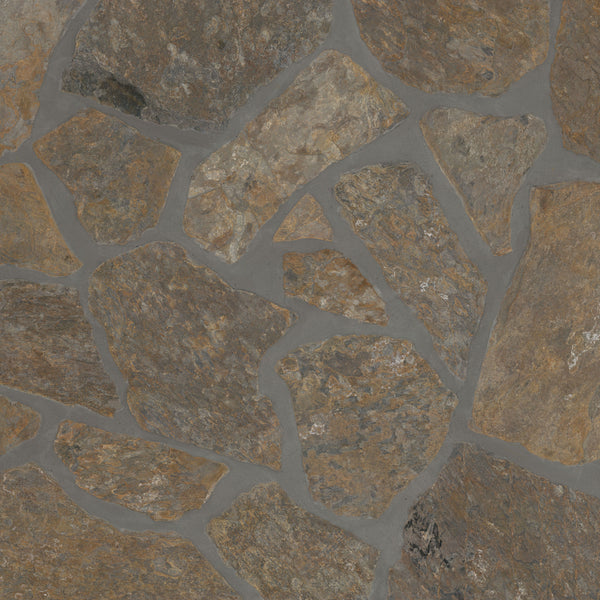
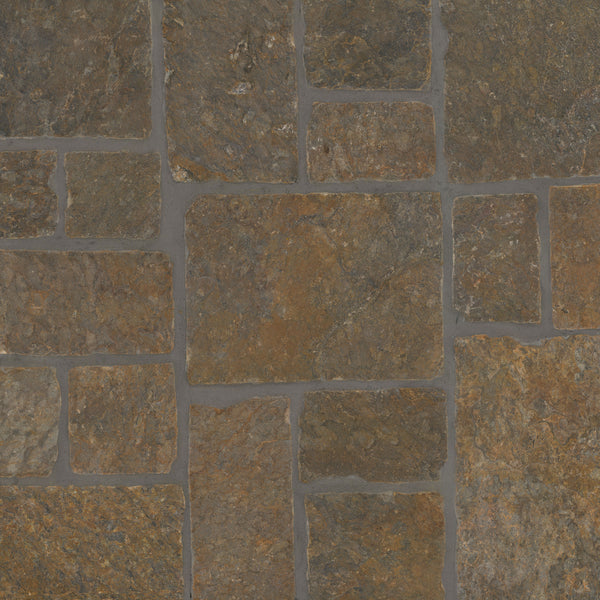
Three-dimensional surface relief, physical variation in the surface plane that the eye and hand can both detect. Stacked stone, cleft stone, hand-troweled plaster, woven texture, wood-grain that's tactile rather than only visual.
Natural origin or natural-mimicking pattern, irregularity that reads as organic rather than as mechanical. Geological pattern (stone veining, wood grain) registers differently than repeating pattern (printed wallpaper, machine-cut tile).
Material variation across the surface, small color, tone, or character changes from one part of the surface to another. The variation reads as natural; uniform surfaces read as manufactured.
Multi-scale pattern, texture that's visible at multiple scales (the large stones in a stacked stone wall, plus the small texture within each stone). The eye finds detail at every scale of looking, which appears to be what the brain reads as "natural environment."
Specific Texture Sources for Interior Specification
Stacked stone veneer
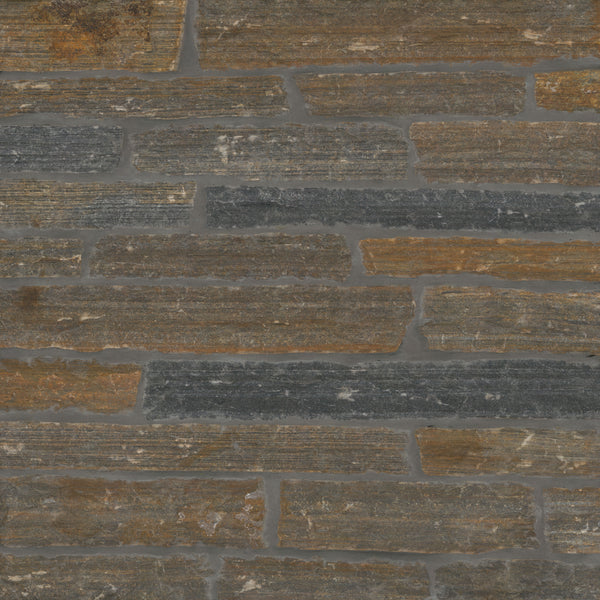
One of the strongest texture signals available in residential interior specification. The combination of large-scale (the layered stones) and small-scale (the surface character of individual stones) variation produces multi-scale pattern that reads strongly as natural. Used as a single feature wall, fireplace surround, accent wall, entry wall, stacked stone provides the room's primary texture moment. Browse the stacked stone veneer collection and see our stacked stone spotlight.
Cleft natural stone floors
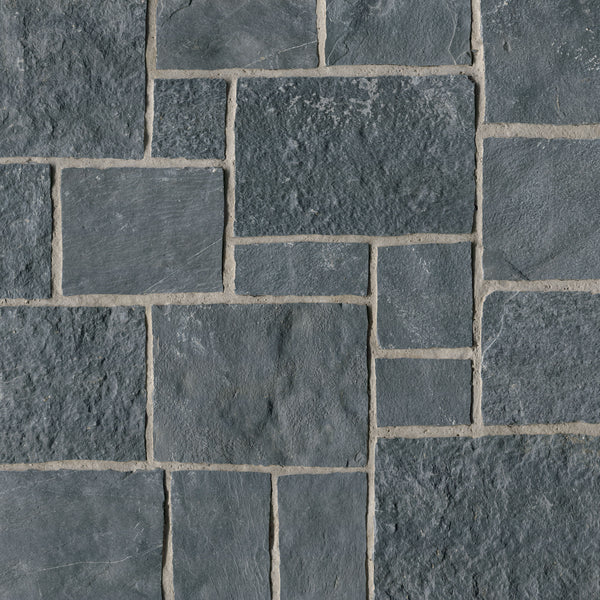
Slate, cleft travertine, and similar cleft-finish floors carry the natural surface relief of split stone. The texture is detectable underfoot (the foot reads it through shoes or barefoot) and visually. Strong specification for living rooms, entries, and any room where parasympathetic activation is a priority. See our slate guide.
Wide-plank hardwood with visible grain
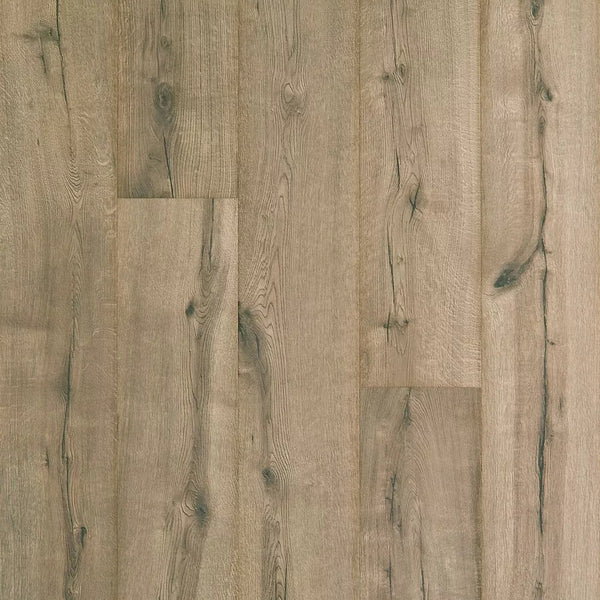
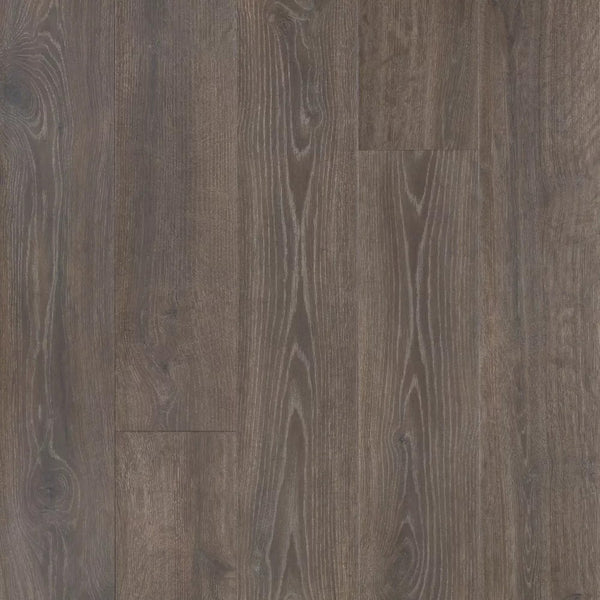
Wide-plank floors in white oak, walnut, or other species with strong grain pattern provide multi-scale texture (the plank pattern at large scale, the grain at small scale). The tactile reading underfoot reinforces the visual texture. Browse the hardwood collection.
Hand-applied plaster on walls
Lime plaster, Roman clay, or specialty plasters with hand-applied finish provide subtle texture across the largest surface in any room, the wall planes. The texture is gentle but pervasive; the room reads "alive" rather than "flat."
Woven textile dominance
Wool rugs with visible weave, linen curtains with natural drape, woven-fabric upholstery, natural-fiber baskets and accessories. Provide tactile texture at the body-contact zones (foot on rug, hand on upholstery, eye on textile pattern) where the texture reading is most direct.
Natural stone counters
Marble veining, quartzite character, granite mineral pattern. The slab is large enough to provide significant visual texture and the hand reads the cool stone as natural-material cue. See our slab buyer's guide and the countertops library.
The Texture-Quietness Balance
The right texture specification is layered rather than dominant. A room with stacked stone fireplace, cleft slate floor, woven rug, hand-applied plaster, and wood-grain ceiling reads as too-busy texture-rich rather than as calmly-textured. The aggregate visual complexity overwhelms the calming-texture signal.
The strongest calm-interior specifications use texture sparingly: one or two dominant texture moments per room, not five or six. The fireplace wall is stacked stone or the floor is cleft stone, but probably not both in the same room. Texture as accent, not as full coverage.
This balances the vagus nerve's preference for natural texture against the room's need for visual quietness. We cover the broader balance in our minimalism and negative space guide.
The Fingertip Test
One useful informal heuristic for evaluating a room's texture quality: imagine running your fingertips across the room's main surfaces. How many surfaces would carry meaningful texture if you actually did this?
Strong calm-interior texture typically means 4-6 surfaces in a room carry detectable texture: the floor, one wall accent, one or two textile elements, perhaps a counter or accent surface. The hand can find texture without searching.
Weak texture means most surfaces are smooth, flat painted walls, smooth machine-cut tile, polished engineered counter, synthetic carpet. The hand finds no texture; the room reads manufactured.
Room-Specific Texture Recommendations
Bedrooms
Texture sources: visible-grain hardwood floor or wide-plank LVT (see our Nove curator guide), woven rug at bed, layered bedding (linen sheets, wool throw, textured pillows), hand-applied plaster on walls if budget allows. The bedroom benefits from multiple gentle texture sources because the body is in extended contact with the room.
Bathrooms
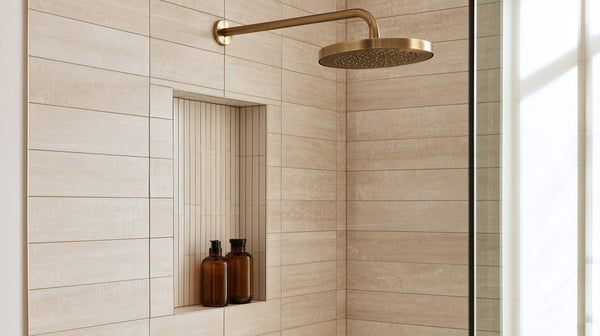
Texture sources: honed natural stone floor (cool to touch, slight surface character), stone threshold at doorway, linen towels, possibly a textured wall accent (small section of stacked stone, fluted tile, or hand-applied plaster). Avoid: high-gloss everything, smooth porcelain everywhere, synthetic textiles.
Living rooms
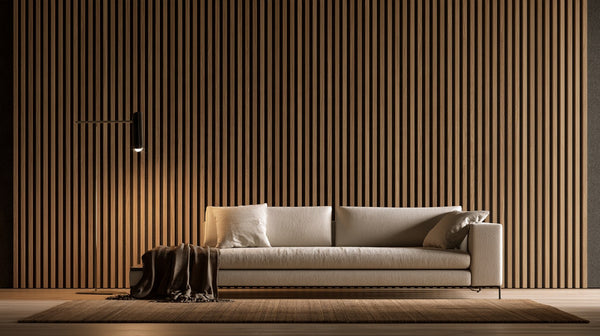
Texture sources: wide-plank wood or warm LVT, large wool or natural-fiber rug, upholstered furniture in textured fabric, one accent texture wall (stacked stone, plaster, or wood paneling), woven baskets and accessories. The room can support multiple texture moments because users typically aren't in single-position extended contact.
Kitchens
Texture sources: natural stone counter (marble, quartzite), hardwood or wood-look LVT floor, possibly a stacked stone or textured tile backsplash accent, unlacquered brass hardware (texture from patina, see our unlacquered brass guide), woven natural-fiber accessories. The kitchen tolerates strong texture because activity dominates over passive occupation.
The Patina Trajectory as Compounding Texture
One subtle aspect of texture specification: materials that develop patina over time (natural stone, hardwood, unlacquered brass, soapstone) accumulate texture across decades. The room reads more textured at year 20 than at install. This is the opposite of synthetic materials, which tend to show wear (reading as damage) but not character (reading as accumulated texture).
For long-horizon calm-interior specification, materials that compound texture rather than wearing into damage are the right choices. We cover the aging trajectory across families in our material aging playbook.
The Sensory Holistic
Texture is one of several sensory inputs the vagus nerve reads. The fully-considered specification combines:
- Natural texture (this guide)
- Warm dimmable lighting (see light, surface, and cortisol)
- Soft acoustic environment (see acoustic floors guide)
- Visual quietness (see negative space)
- Natural air quality and temperature
- Subtle natural sound (water, soft ambient)
The aggregate effect of these is a room measurably regulating the parasympathetic nervous system in ways the room's occupants experience as "this room feels good" without articulating why.
Where to Start
For homeowners interested in specifying calming interiors at the texture level, the strongest starting moves: replace one large smooth surface with a textured equivalent (synthetic carpet → woven natural rug; smooth drywall → hand-applied plaster on one wall; engineered counter → natural stone), specify natural stone or wood-grain materials in dominant volumes rather than synthetic alternatives, and add one feature texture moment per room (stacked stone wall, woven art piece, woven rug). Browse stacked stone, hardwood, natural stone tiles, and slabs for the texture-rich material options.
From the guide
Shop the surfaces in this guide