Flooring
Light, Surface, and Cortisol: Why Your Floors Affect How You Sleep

The relationship between light and sleep is well-established science. Bright cool light in the morning helps wake the body up; bright cool light in the evening interferes with the wind-down to sleep. Most homeowners know this at the level of "don't look at your phone before bed." Fewer realize that the same dynamics apply to interior surfaces, the floor, the walls, the cabinetry. That reflect light into a room and shape what light the body actually receives.
This guide explains the relationship between interior surface specification, the light those surfaces reflect, and the cortisol-melatonin balance that regulates sleep. The recommendations are specific: which surfaces to specify in which rooms to support the body's natural circadian regulation.
The Cortisol Cycle in Brief
Cortisol is the body's primary stress and wakefulness hormone, but it's also a circadian regulator. Cortisol levels naturally peak in the morning (helping the body wake up), decline through the day, and reach their lowest point in the early hours of the night. Melatonin, the sleep hormone, runs the inverse cycle, low during the day, rising in the evening, peaking overnight, declining in the morning.
The cycle is regulated primarily by light exposure, specifically by intrinsically photosensitive retinal ganglion cells (ipRGCs) in the eye that detect blue-spectrum light. When ipRGCs detect significant blue light, they signal "daytime" to the suprachiasmatic nucleus (the brain's master clock), which suppresses melatonin and promotes cortisol. When they detect minimal blue light, they signal "night," allowing melatonin to rise.
The implication for interior environments: anything that increases blue-light exposure in the evening interferes with sleep onset and sleep quality. Anything that increases blue-light exposure in the morning supports daytime alertness. Both can be specified intentionally or accidentally.
How Surfaces Affect Light
The surfaces in a room don't just reflect light. They reflect specific wavelengths of light, which means they shape the spectrum of what the eye actually receives. Specifically:
Light surfaces (white walls, light floors, light cabinetry) reflect a high proportion of incident light, including the blue spectrum. A bedroom with white walls and a light floor receives substantially more blue-light exposure from morning sun than the same room with darker surfaces.
Dark surfaces (dark floors, deep walls, dark cabinetry) absorb more incident light, including the blue spectrum. A bedroom with darker surfaces receives less morning blue-light exposure.
Warm-tone surfaces (cream, warm wood, warm graphite) reflect light somewhat warmer than the incident spectrum. They absorb some blue and reflect proportionally more red and amber. A warm-toned room reads warmer-lit than a cool-toned room with identical lighting.
Cool-tone surfaces (cool grey, white, cool blue) reflect light somewhat cooler than the incident spectrum.
The Bedroom Specifically
The bedroom is the room where these dynamics matter most. The surfaces in the bedroom directly affect the morning wake-up and the evening wind-down.
For supporting deep sleep (less morning light): darker floors, warmer wall colors, restrained light-colored elements. The body wakes up gradually as morning light builds; less reflective surfaces extend the gradual transition.
For supporting morning alertness (more morning light): lighter floors, lighter walls, and east-facing windows. The body wakes up faster as morning light builds; more reflective surfaces accelerate the transition.
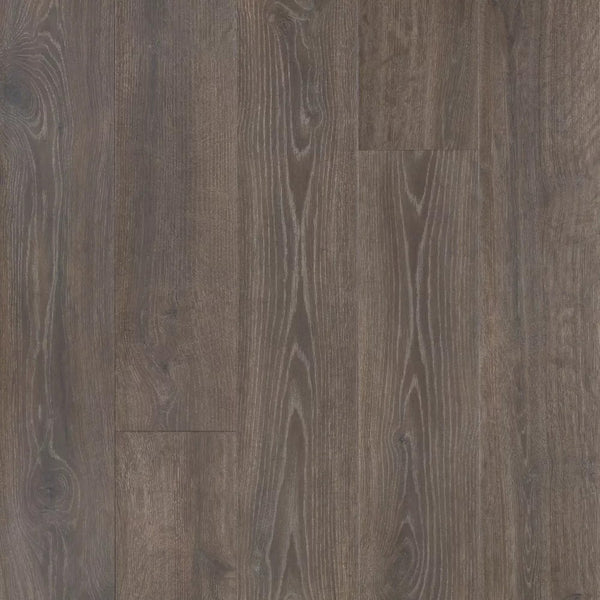
Most considered residential bedroom specifications lean toward the first option, darker floors, warmer walls, because most homeowners want gradual rather than aggressive morning awakening. The Hatfield colorway in Nove Reserve, dark stained oak, or honed slate floors all support this approach. See our Nove curator guide for the colorway specifics.
The Living Room and Family Room
Living areas use happens at varied times, daytime activity, evening relaxation. The right specification supports both modes.
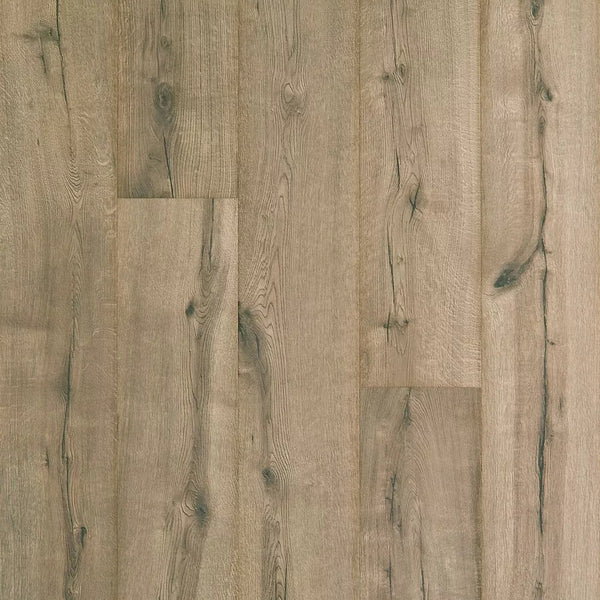
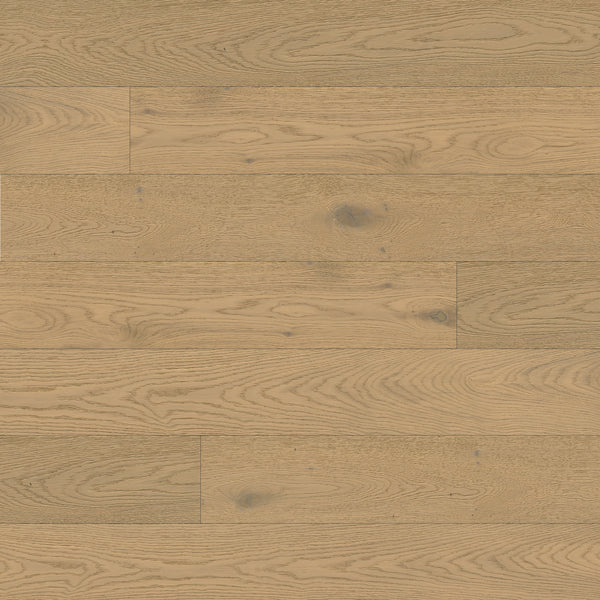
Light to medium floors (Bayhill Blonde or Akadia in Nove, mid-tone hardwood, light-color tile) work for most living areas because they support daytime use without dramatically interfering with evening wind-down, particularly when the room's lighting is independently controllable to warm-temperature dimmable evening levels. Pair with lighting that can transition from bright daytime to warm intimate evening.
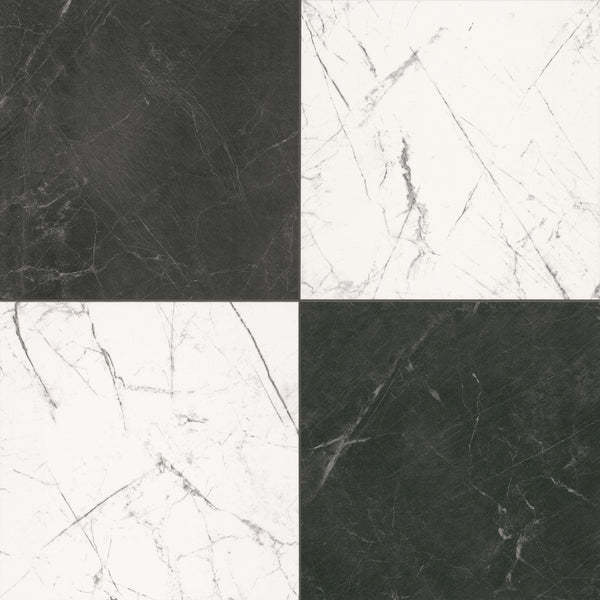
Avoid: very light reflective surfaces (gloss white floor, all-white walls, large white reflective elements) that compound evening light exposure. The room becomes bright-feeling regardless of lamp choice.
The Kitchen
Kitchens are typically used in morning and evening, both peak transitional times for cortisol-melatonin regulation. The specification can support either mode depending on the household's pattern.
Morning-heavy households (early risers, kitchens used primarily in morning) benefit from lighter surfaces, light floors, light cabinetry, bright counter materials. The morning light reflects off the surfaces and supports alertness.
Evening-heavy households (later cookers, dinner-focused, frequent evening entertaining) benefit from warmer surfaces and more intentional evening lighting. Medium-tone wood floors, warm-toned cabinetry, restrained reflective elements.
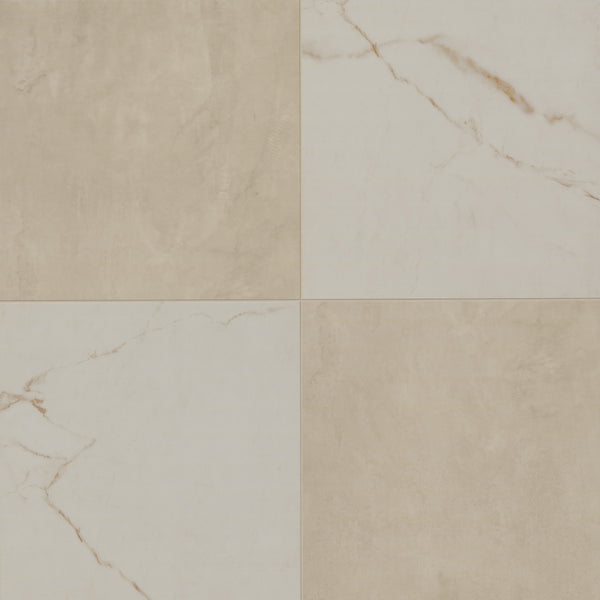
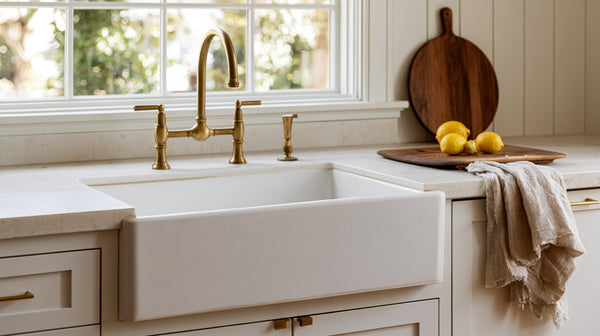
For most households used both ways, the moderate path: warm-tone medium floors, warm cream cabinetry, slab counters in warm-tonal-range stones (warm Carrara, Calacatta with warm gold veining, warm-toned quartzite). The kitchen reads bright in morning light and warm in evening lamp light without fighting either mode.
The Bathroom
The bathroom carries specific light considerations. Morning bathrooms (the routine of waking up and getting ready) benefit from bright cool light, the alertness signal from the morning routine extends throughout the day. Evening bathrooms (winding down) benefit from warm dim light, the bath-as-refuge specification.
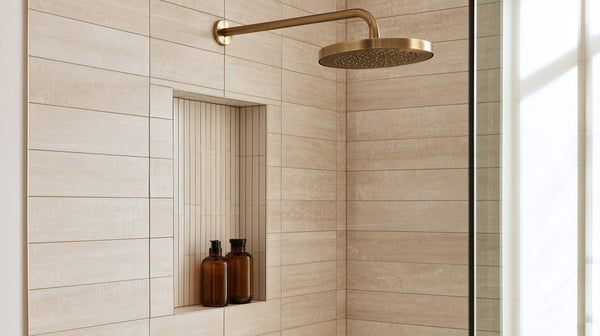
The contradiction resolves through layered lighting: bright cool task lighting at the vanity for morning use, warm dim ambient lighting for evening use. The surface specifications should be neutral enough to support both lighting modes, honed marble, warm cream walls, light-tone floor, restrained color.
Avoid: dark moody bathrooms with insufficient morning task lighting, the morning routine fights the room. Avoid also: harsh cool overhead lighting with no warm alternative, the evening wind-down can't operate.
The Window and Light Direction Variable
Surface specification interacts with window orientation in specific ways.
East-facing rooms get strong morning sun. Pair with appropriate floor tone for the household's wake-up preference (darker for gradual, lighter for aggressive). Bedroom: darker. Kitchen: lighter typically works.
South-facing rooms get strong daytime sun. Surface choice matters less for circadian regulation (the strong sun overrides surface effect during day) and more for thermal comfort. Lighter surfaces stay cooler thermally; darker surfaces absorb heat and warm the room. See our heat reflectance guide.
West-facing rooms get strong afternoon-evening sun. The blue-light dynamic matters meaningfully, blue light during the 5pm-7pm hours is metabolically equivalent to morning blue light and pushes back the evening melatonin rise. West-facing bedrooms benefit from darker surfaces and effective window treatments.
North-facing rooms get cool diffuse light all day with limited intensity. Surface specifications need to compensate, the room can read dim and cool unless lighter surfaces and warm artificial lighting brighten it.
Lighting Specifications That Pair With Surface Specifications
The other half of the cortisol-light story is the artificial lighting itself.
The 2026 evidence-based residential lighting specification:
- Color temperature 2700K-3000K throughout living spaces
- Dimmable across the full range (10% to 100%)
- Multiple lighting zones in each room (overhead ambient, task, accent)
- Bright cool task lighting reserved for specific use (vanity for morning, kitchen prep) where the alertness signal is desired
- Avoid: 4000K+ light fixtures in bedrooms, evening living areas, and rooms used after sunset
- Smart-home circadian lighting where the budget supports it (cool-bias in morning, warm-bias in evening, automatic transition)
This specification works in conjunction with surface choice, warm dim light reflecting off warm-tone surfaces produces the strongest evening-comfort effect; the same lighting on cool reflective surfaces creates dissonance.
The Specific Surface-Lighting Pairings
Some specific combinations that work especially well:
Bedroom: Hatfield Nove Reserve or dark hardwood floor + warm cream walls + warm dimmable lighting + linen-heavy textiles + dark window treatments. The room supports deep sleep.
Primary living room: Bayhill Blonde or Akadia Nove or mid-tone hardwood + warm taupe walls + dimmable layered lighting + woven natural rugs + warm wood furniture. The room transitions naturally from day to evening.
Kitchen: Honed quartzite counter (warm-toned veining) + warm cream cabinetry + Bayhill Blonde or warm-toned wood floor + dimmable warm lighting + bright cool LED only at task zones. The room reads bright in morning light and warm in evening.
Primary bath: Honed Carrara or Crema Marfil floor + warm cream walls + layered lighting (bright cool at vanity for morning task, warm dim ambient for evening) + linen towels + warm marble threshold at doorway. The room supports both morning routine and evening refuge.
The Decade-Out Effect
One under-discussed aspect of light-surface interaction: the cumulative effect of mismatched specification over years. A bedroom with bright reflective surfaces and 4000K LED produces years of sub-optimal sleep, even though the user can't directly attribute the sleep quality to the room. Specifying bedrooms correctly from the start prevents the cumulative effect.
This is the practical case for evidence-based circadian specification: the small specification choices compound across decades of nightly sleep. The cumulative health effect of correctly-specified bedroom environments is meaningful even if not dramatic in any single night.
Where to Start
For homeowners interested in specifying surfaces against circadian regulation, the strongest immediate moves: replace cool LED with warm dimmable LED throughout living and sleeping spaces, choose darker floors for bedrooms (where the goal is restful sleep) and lighter floors for kitchens and morning-use rooms, and lean toward warm-tone wall and cabinetry colors throughout. For specific surface choices, browse hardwood, Nove luxury vinyl, and the broader slabs catalog. For the broader nervous-system framework, our neuroscience of calm interiors pillar.
Next step: compare flooring at Citadel Spaces, then use the flooring and tile coverage calculator to work out how much to order.
From the guide
Shop the floors in this guide