Cabinet & Kitchen
Quartz vs Granite vs Quartzite Countertops: Full Comparison
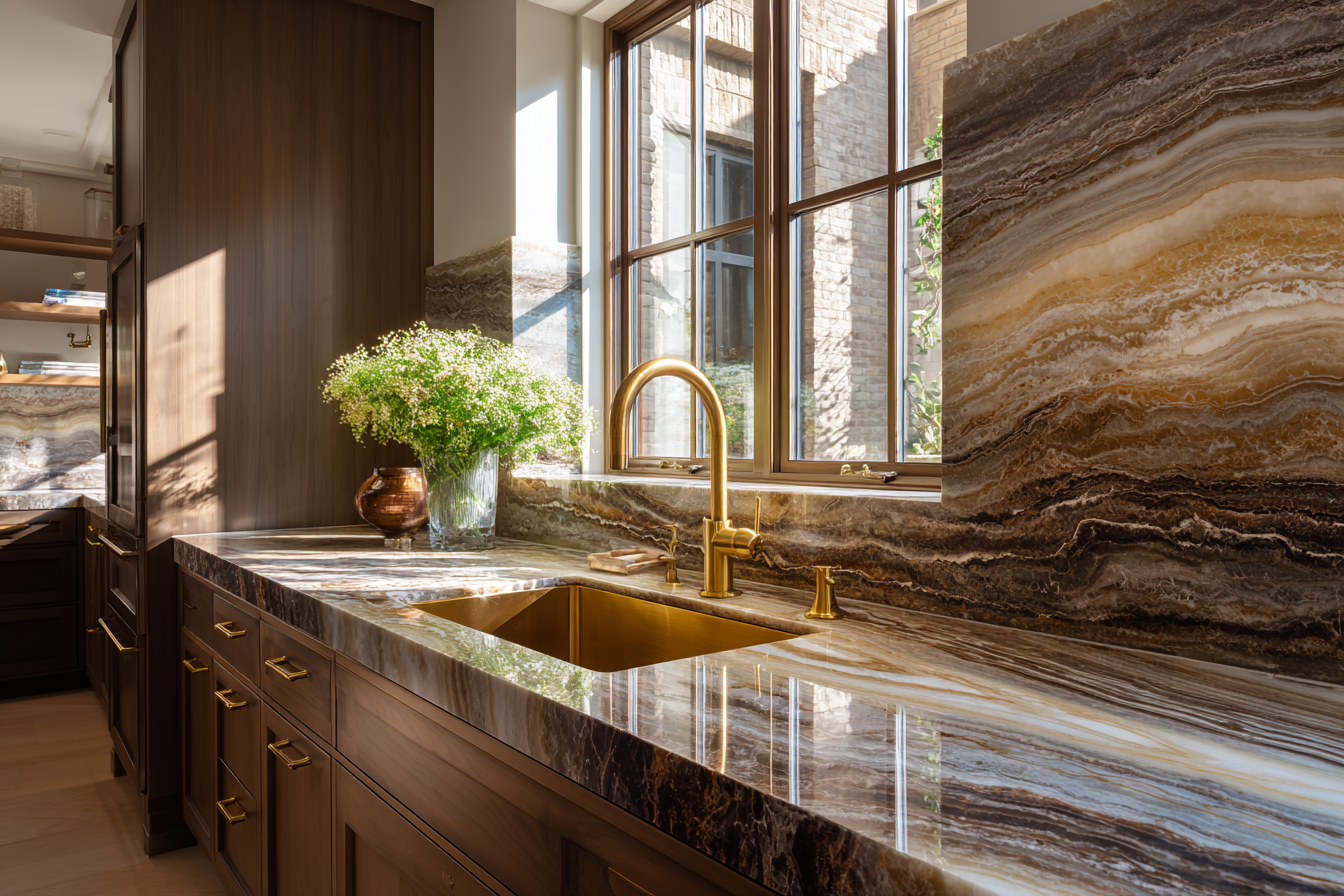
Quartz, granite, and quartzite top almost every countertop shopping list, and the names are easy to confuse. They look similar on a showroom floor but behave very differently in a real kitchen. This full comparison covers how each is made, how they perform, what they cost in 2026, and how to choose the right one for your project.
The Quick Difference
Before the details, here is the one-line version of each:
- Quartz is an engineered (manmade) stone: crushed natural quartz bound with resin and pigment. It is non-porous and highly consistent.
- Granite is a natural igneous stone quarried in slabs. It is hard, heat-resistant, and unique in every slab.
- Quartzite is a natural metamorphic stone (not the same as quartz). It is extremely hard, often resembles marble, and is prized for durability.
How They Are Made and How That Affects Performance
Quartz (Engineered Stone)
Quartz countertops are roughly 90 percent ground natural quartz mixed with resins and pigments, then pressed into slabs. Because they are engineered, they are non-porous, so they resist staining and bacteria without sealing, and the pattern is uniform and predictable. The tradeoff: the resin can be sensitive to high heat, so trivets are a must, and direct sun over years can affect some colors.
Granite (Natural Igneous Stone)
Granite forms from cooled molten rock, giving it dramatic, varied grain. It is very hard and handles heat well, which makes it a longtime kitchen favorite. Because it is porous, it needs periodic sealing to resist stains, and every slab is one of a kind, so you should view the actual slab you are buying.
Quartzite (Natural Metamorphic Stone)
Quartzite starts as sandstone and is transformed by heat and pressure into a dense, hard stone. It often looks like marble but is much tougher and more scratch and etch resistant. Like granite, it is natural and porous, so it benefits from sealing. Quartzite is among the hardest countertop options available.
Side-by-Side Comparison
| Feature | Quartz | Granite | Quartzite |
|---|---|---|---|
| Type | Engineered | Natural | Natural |
| Porosity | Non-porous, no sealing | Porous, seal periodically | Porous, seal periodically |
| Heat resistance | Moderate, use trivets | Excellent | Excellent |
| Scratch resistance | Very good | Very good | Excellent |
| Stain resistance | Excellent | Good when sealed | Good when sealed |
| Look | Uniform, wide color range | Bold, varied grain | Marble-like, natural veining |
| Maintenance | Lowest | Moderate | Moderate |
2026 Cost Comparison
Pricing depends on color, rarity, slab thickness, edge profile, and fabrication. The figures below are 2026 estimates for installed countertops and will vary. For exact pricing, view the slabs and request a quote.
| Material | Estimated Installed Cost (per sq ft) | Value Note |
|---|---|---|
| Quartz | $50 to $120 | Predictable pricing, low maintenance |
| Granite | $40 to $110 | Wide range; common colors are budget-friendly |
| Quartzite | $60 to $150+ | Premium durability, rarer slabs cost more |
Beyond the slab, your total includes fabrication, edge profiles, cutouts for sinks and cooktops, and installation. Exotic colors and bookmatched slabs raise the price regardless of material.
Sample Kitchen Budget
A typical kitchen has roughly 40 to 55 square feet of countertop. Using mid-range pricing, here is a rough installed estimate for a 50 square foot kitchen:
- Quartz at $85/sq ft: roughly $4,250
- Granite at $75/sq ft: roughly $3,750
- Quartzite at $105/sq ft: roughly $5,250
Which Should You Choose?
The best material depends on how you live and what you value most:
- Choose quartz if you want the lowest maintenance, a consistent look, and no sealing. It is ideal for busy families who want worry-free counters.
- Choose granite if you love bold natural patterns, want excellent heat resistance, and are comfortable sealing once a year or so.
- Choose quartzite if you want a marble look with serious durability and do not mind a premium price and occasional sealing.
What Goes Into the Final Price Beyond the Slab
The sticker price per square foot is only the starting point. Several factors shape the number on your final invoice, and they apply across all three materials. Edge profiles, for example, range from a simple eased edge that comes standard to mitered, ogee, and waterfall details that add labor and material. Each sink, faucet, and cooktop cutout adds fabrication time, and a single large island can require seaming if it exceeds standard slab dimensions.
Slab thickness matters too. A two centimeter slab costs less than a three centimeter slab, though the thicker option often looks and feels more substantial and may not need a plywood support underneath. Color rarity is another swing factor that affects natural stone especially: a common granite is far cheaper than an exotic, dramatically veined quartzite that the quarry produces in limited quantity. When you budget, leave room for these details rather than anchoring only to the base price.
Maintenance Over the Long Run
Think past installation day to the years you will actually live with the counter. Quartz asks for almost nothing: wipe it down and use a trivet under hot pans. Granite and quartzite reward a quick sealing routine, often a yearly wipe-on product that takes minutes, to keep their stain resistance high. None of the three is high-maintenance compared to materials like marble or butcher block, but if you want the most hands-off surface possible, quartz earns its reputation. If you are drawn to the depth and character of natural stone, the modest sealing habit is a small price for a one-of-a-kind countertop.
Compare options across our countertops and slabs collection, or go straight to quartz slabs, granite slabs, or quartzite slabs to see what is available.
Frequently Asked Questions
Is quartz the same as quartzite?
No. Quartz is an engineered stone made from ground quartz and resin, while quartzite is a 100 percent natural metamorphic stone. They have similar names but different origins, looks, and care requirements.
Which is the most durable countertop?
Quartzite is among the hardest and most scratch-resistant, and it handles heat better than quartz. Granite is also very durable. Quartz is tough and stain-proof but more sensitive to high heat than the two natural stones.
Do any of these need sealing?
Quartz does not need sealing because it is non-porous. Granite and quartzite are natural and porous, so they benefit from periodic sealing, often once a year, to maintain stain resistance.
Which is cheapest?
Common granite colors are often the most budget-friendly. Quartz sits in a predictable mid range, and quartzite tends to be the most expensive, especially for rare slabs. Final pricing depends heavily on color and fabrication.
Can I get a marble look without the upkeep?
Yes. Many quartz patterns mimic marble with far less maintenance, and quartzite offers a natural marble look with much better durability than real marble. Both are popular alternatives for homeowners who love the marble aesthetic.
Ready to compare slabs in person or online? Browse our countertops and slabs collection, then narrow to quartz, granite, or quartzite, and request a quote or visit the Sacramento showroom to see the slabs and discuss local installation.
Shop countertops at Citadel Spaces
Browse our full countertops selection or start with these popular options:
- MSI Calacatta Corrinna - Glazed Porcelain Slab
- MSI Tan Brown - Granite Slab
- MSI Oyster White - Granite Slab
Browse quartzite slabs to see the current range, and size your order with the countertop and slab calculator.