Flooring
Porcelain vs Ceramic Tile: What Is the Difference
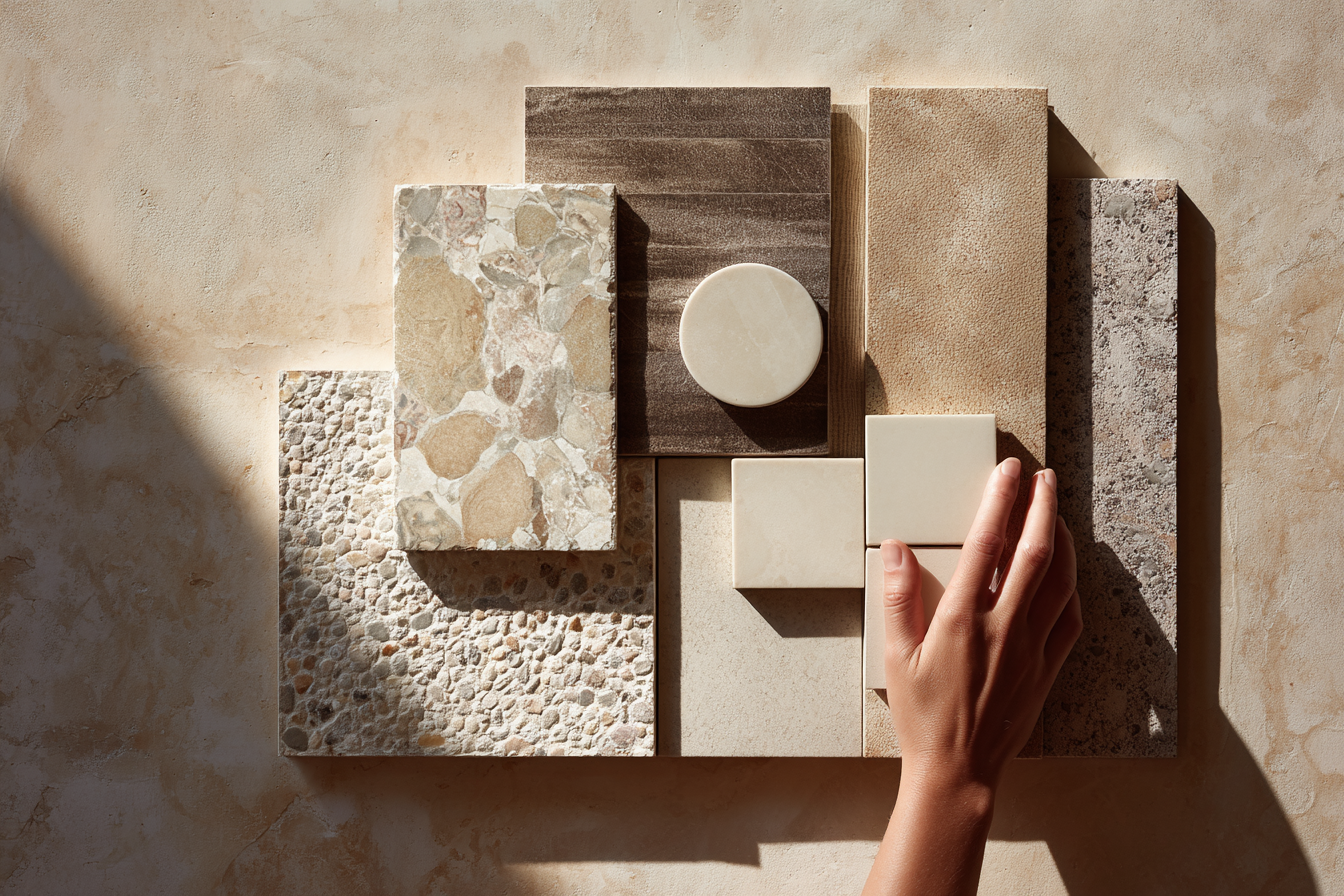
Porcelain and ceramic tile look nearly identical on a showroom shelf, and the words are often used interchangeably. But there are real differences in how they are made, how they perform, and what they cost. Understanding those differences helps you put the right tile in the right room and avoid paying for performance you do not need. Here is the full breakdown.
The Short Answer
Porcelain is technically a type of ceramic, but it is made from denser clay fired at higher temperatures, which makes it harder, less porous, and more water-resistant. Standard ceramic is softer, more absorbent, and easier to cut, which makes it a great value for walls and lower-traffic areas. In short:
- Porcelain: denser, tougher, more waterproof, better for floors and wet areas.
- Ceramic: lighter, more affordable, easier to install, ideal for walls and backsplashes.
How They Are Made
Ceramic Tile
Ceramic tile is made from natural red, brown, or white clay, shaped and fired in a kiln, then usually finished with a glaze. The firing temperature is lower than porcelain, so the resulting tile is a bit softer and more porous. That porosity is fine for walls and light-traffic floors, but it means ceramic absorbs more water and can chip more easily under heavy use.
Porcelain Tile
Porcelain uses a refined, denser clay (often with finely ground sand) fired at higher temperatures. The result is a tile that is extremely hard and absorbs very little water, defined by an absorption rate of 0.5 percent or less. Many porcelain tiles are through-body, meaning the color runs throughout, so a chip is far less noticeable than on a glazed ceramic.
Porcelain vs Ceramic: Side by Side
| Feature | Porcelain | Ceramic |
|---|---|---|
| Water absorption | 0.5% or less | Higher than 0.5% |
| Density and hardness | Very high | Moderate |
| Best uses | Floors, wet areas, high traffic, outdoor | Walls, backsplashes, light-traffic floors |
| Durability | Excellent | Good |
| Ease of cutting / install | Harder to cut, needs good tools | Easier to cut and install |
| Cost | Higher | Lower |
| Outdoor / freeze resistance | Yes, frost-resistant grades available | Limited, can crack in freeze-thaw |
2026 Cost Comparison
Porcelain generally costs more than ceramic for both material and installation, because it is harder to cut and set. These are 2026 estimates and will vary by size, finish, and brand. Check the product pages for live pricing.
| Tile | Material (per sq ft) | Typical Installed (per sq ft) |
|---|---|---|
| Ceramic | $1.00 to $5.00 | $7.00 to $15.00 |
| Porcelain | $2.50 to $8.00 | $9.00 to $20.00+ |
Which Should You Choose for Each Room?
The right pick comes down to traffic, moisture, and budget. Use this as a quick guide:
- Bathroom and shower floors: porcelain, for its low water absorption and durability.
- Kitchen and entry floors: porcelain, to stand up to heavy foot traffic.
- Backsplashes and accent walls: ceramic, for value and easy installation.
- Laundry and mudrooms: porcelain, for moisture and durability.
- Outdoor patios: frost-resistant porcelain, since ceramic can crack in freeze-thaw climates.
- Low-traffic guest bathroom walls: ceramic, to save money without sacrificing looks.
Looks and Style: A Tie
Here is good news for design: both porcelain and ceramic come in an enormous range of colors, sizes, and looks, including convincing wood-look and stone-look planks. You are not sacrificing style by choosing the more affordable option. The decision is really about performance and budget, not appearance.
Installation and Maintenance
- Cutting: Porcelain is harder and benefits from a quality wet saw and porcelain blades. Ceramic is more forgiving for DIY.
- Substrate: Both need a flat, rigid substrate. Floors should use backer board or an uncoupling membrane.
- Grout: Seal grout in wet areas and clean it periodically to keep it bright and watertight.
- Care: Both clean easily with a damp mop and mild cleaner. Glazed surfaces resist staining well.
Understanding the PEI Rating
Beyond the porcelain versus ceramic label, one spec deserves your attention when shopping for floor tile: the PEI rating. PEI is a hardness scale that tells you how much foot traffic a tile can handle. A PEI 1 or 2 tile is meant for walls and very light use, while PEI 3 suits most residential floors, and PEI 4 and 5 are built for heavy and commercial traffic. Both porcelain and ceramic carry PEI ratings, so checking this number helps you avoid putting a wall-rated tile on a busy floor where it would wear prematurely.
This is why a blanket rule like "always buy porcelain for floors" is a useful starting point but not the whole picture. A high-PEI glazed ceramic can perform well on a residential floor, while a decorative porcelain mosaic might be intended only for accents. Reading the rating alongside the material type gives you the full performance story and protects you from buying more tile than a room needs or less than it deserves.
Matching Finish to Function
Finish matters as much as material in the right room. A polished tile looks stunning on a feature wall but can be slippery underfoot when wet, so for bathroom and shower floors, a matte or textured, slip-rated finish is the safer pick. Outdoor and entry tiles benefit from grip and frost resistance, which is another reason frost-rated porcelain dominates patios in cold climates. By pairing the correct material, PEI rating, and finish to each space, you get a floor that looks great and performs for the long haul.
Explore both options on our tile collection, and compare durable floor-ready choices on the ceramic and porcelain tile collection.
Frequently Asked Questions
Is porcelain better than ceramic?
It depends on the use. Porcelain is denser, harder, and more water-resistant, which makes it better for floors, wet areas, and outdoor spaces. Ceramic is a better value for walls and backsplashes where heavy wear and moisture are not concerns.
Is porcelain tile waterproof?
Porcelain is highly water-resistant, with an absorption rate of 0.5 percent or less, which is why it excels in bathrooms and other wet areas. Note that the grout and installation system also matter for full waterproofing, especially in showers.
Can I use ceramic tile on a floor?
Yes, in lower-traffic areas. Ceramic works well on floors that do not see heavy use, like guest bathrooms. For kitchens, entries, and busy spaces, porcelain holds up better over time.
Why is porcelain more expensive?
Porcelain costs more because of its denser clay, higher firing temperatures, and the harder labor required to cut and set it. You are paying for greater durability and water resistance.
Can I tell them apart by looking?
Not always. They often look identical on the surface. The reliable way to tell is the spec sheet: porcelain carries a water absorption rate of 0.5 percent or less, and is often labeled as porcelain or through-body. When in doubt, check the product details.
Ready to choose? Browse the full selection on our tile collection, compare floor-ready options on the ceramic and porcelain tile collection, and request a quote or visit the Sacramento showroom for samples and local installation support.
Shop tile at Citadel Spaces
Browse our full tile selection or start with these popular options:
When the choice is made, browse waterproof rigid core flooring and size the order with the flooring and tile coverage calculator.