Design Trends
Pool Deck Trends 2026: Texture, Slip, and Shade
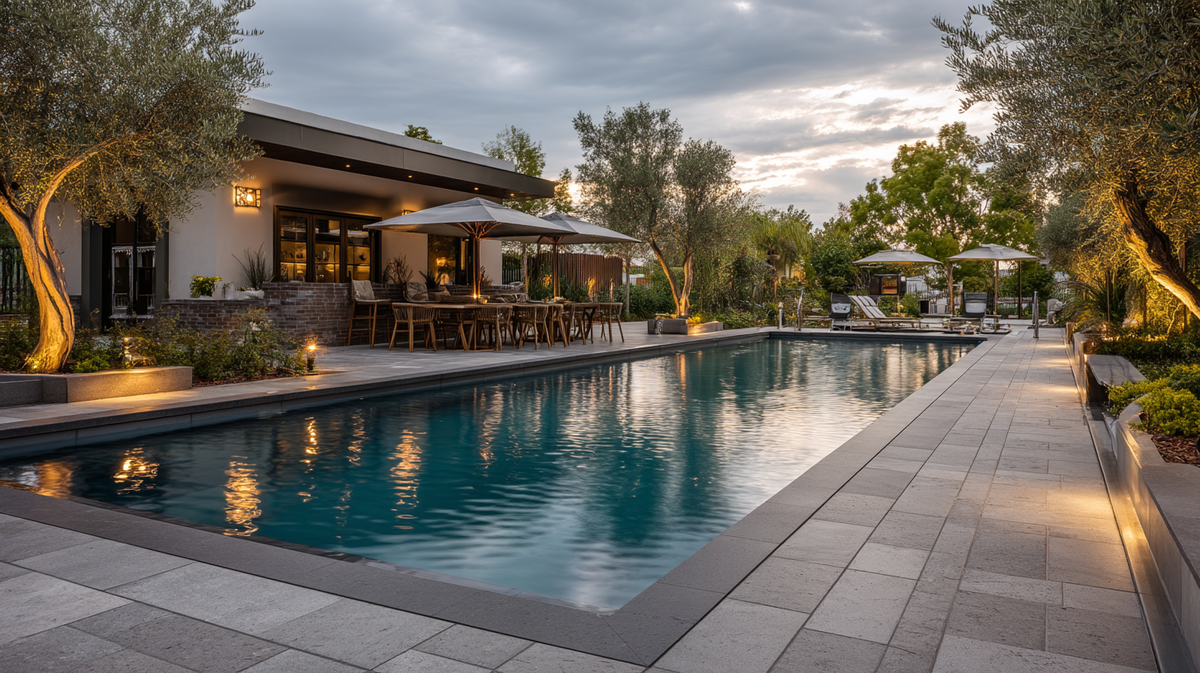
Pool decks live a hard life. They take direct sun for hours, water exposure constantly, salt or chlorine residue, foot traffic that's barefoot half the time, and the kind of seasonal weather (freeze-thaw in some climates, extreme heat in others) that exposes weak material specifications fast. The 2026 pool deck conversation is increasingly sophisticated about these constraints, not just "what looks good" but what holds up across the realities the deck has to navigate.
This guide covers what's actually changing in pool deck specification in 2026: the texture moves, the slip-rating awareness, the heat-reflectance focus, and the material choices that earn the specification.
Texture as the New Default
Mid-2010s pool decks ran toward smooth honed surfaces, clean, contemporary, photogenic. The problem became apparent over use: smooth surfaces are slippery wet, and pool decks are wet by definition. The 2026 default has tipped toward textured surfaces that maintain the contemporary visual while delivering meaningful slip resistance.
Three texture types dominate:
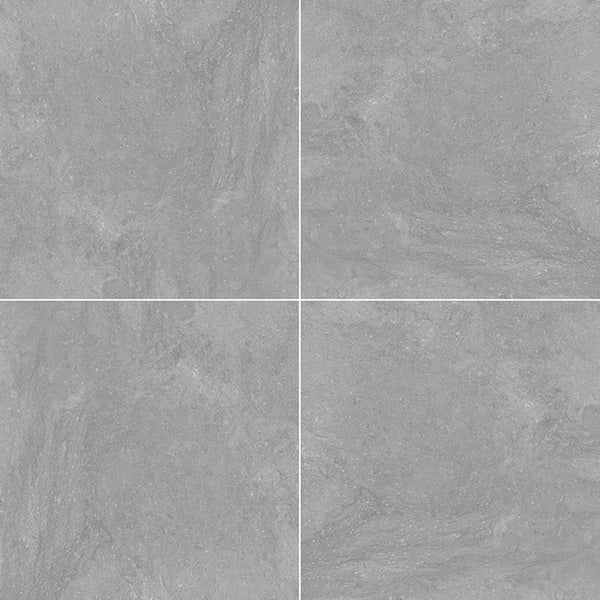
Sandblasted finish, flat surface with a fine-grained sand-blasted texture. Reads as a contemporary matte; delivers R11 to R12 slip rating. The current default for porcelain pool deck pavers.
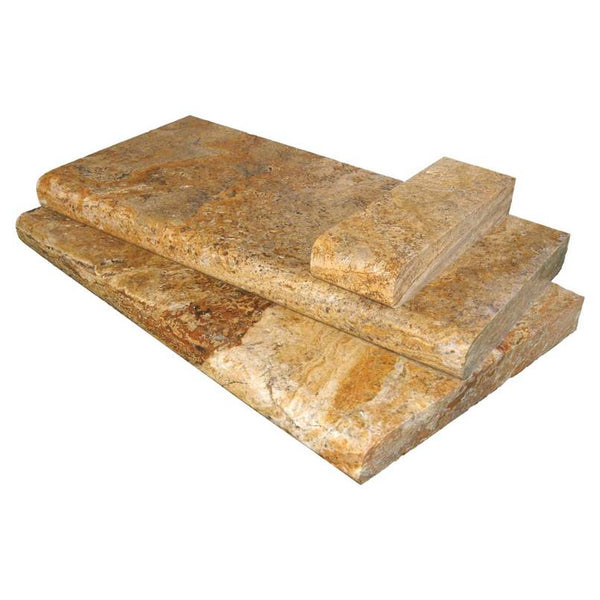
Cleft natural stone, natural cleft surface on bluestone, slate, and natural cleft travertine. Reads more traditional and natural; high slip rating from the geological surface relief.
Textured cast finishes, porcelain pavers with engineered surface relief that mimics stone cleft or natural texture. Reads as the natural reference at viewing distance and delivers strong slip ratings.
Smooth honed pool decks are now specified only for shaded covered patio areas and indoor pool spaces, never for unprotected pool perimeters.
Slip Ratings: From Marketing to Specification
Slip resistance ratings (DCOF and R-rating) used to live in trade specifications and barely surface in residential conversations. In 2026 they're appearing in residential project specs as required minimums. We cover the rating systems in depth in our DCOF and R-rating guide.
The minimum specifications for unprotected pool deck applications: DCOF wet ≥ 0.42, or R-rating ≥ R11 (R12 strongly preferred for the immediate pool perimeter and any wet stair). Sandblasted porcelain pavers from the Arterra library hit R11 to R12 at standard spec; cleft natural stone from the natural stone paver library typically exceeds R12.
The 2026 difference: residential clients are asking. The conversation has matured.
Heat Reflectance and Barefoot Comfort
Pool decks are walked barefoot. Surface temperature directly affects whether the deck is usable in midday summer heat. Material choices break into three behavioral groups:
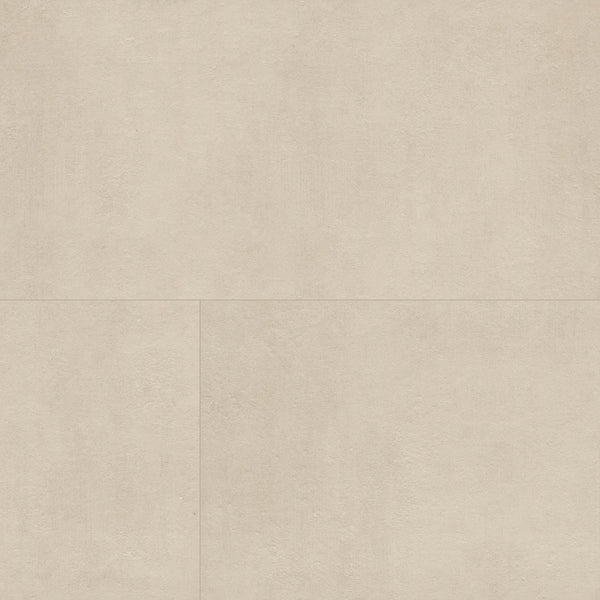
Cool-reading materials, light-tone porcelain (cream, ivory, warm white), light-tone travertine and limestone, lighter-tone bluestone. Surface temperatures 15 to 25°F below ambient air at midday in direct sun. Comfortable barefoot through most of the day.
Moderate-reading materials, warm-tone porcelain (warm graphite, taupe), darker travertine and limestone. Surface temperatures roughly equal to ambient air. Comfortable barefoot through morning and evening; warm but tolerable midday.
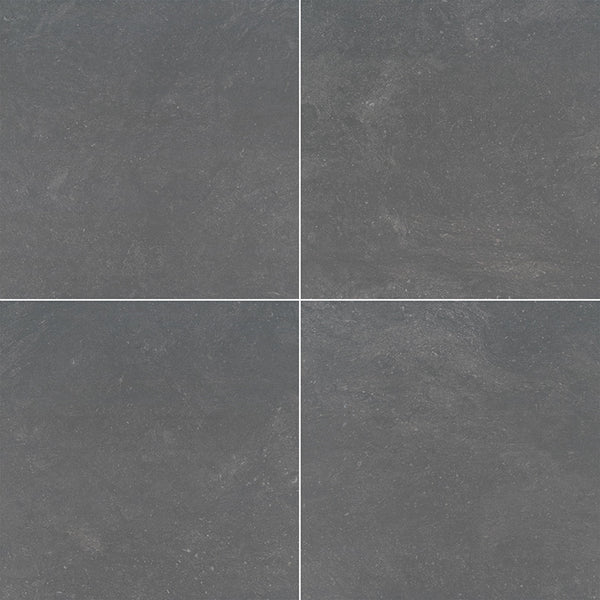
Hot-reading materials, dark stone (slate, dark granite, bluestone in dark tones), dark porcelain. Surface temperatures 20 to 40°F above ambient air at midday. Genuinely uncomfortable barefoot midday in summer.
For full-sun pool decks in hot climates, lighter-tone material is the right answer; heat reflectance becomes more important than visual preference. We cover the surface-physics question in depth in our heat reflectance guide.
Pedestal Pool Decks
The single most-changing 2026 pool deck specification is the move from mortar-set or sand-set pavers to floating pedestal systems. We cover the comparison in our pedestal vs mortar pool deck guide.
The advantages compound: instantaneous drainage (water falls through the pedestal gaps to the engineered substrate below), individually liftable pavers (substrate access without demolition), the contemporary geometry of small even gaps between pavers, and improved thermal behavior (the air gap below allows heat dissipation).
The system pairs especially well with rectified-edge porcelain pavers from the porcelain paver library, the dimensional precision is required for clean pedestal install.
Coping That Reads Architectural
Pool coping geometry is the most-noticed edge in any backyard. The 2026 trend is toward thinner profiles and more architectural geometry:
Cantilever / knife-edge coping, the coping projects 1 to 2 inches beyond the pool wall, reading as a thin plane floating over the water. The strongest contemporary residential pool specification.
Eased-edge linear coping, clean rectangular profile with subtle micro-bevels. Reads contemporary and minimal.
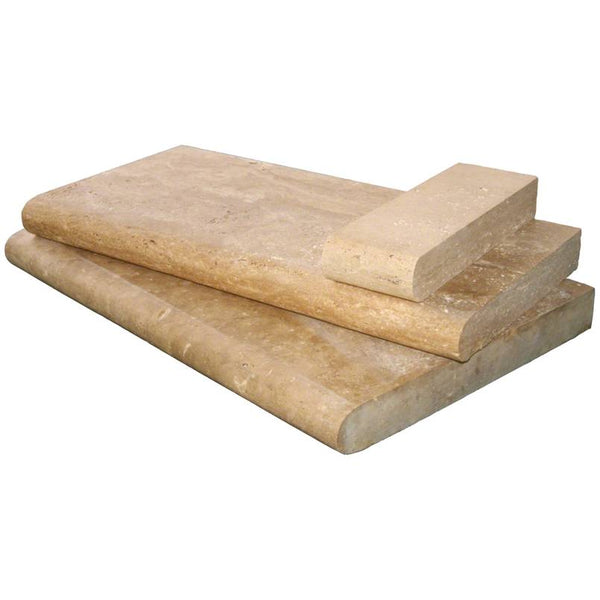
Bullnose coping, the traditional fully-rounded edge. Still appropriate for traditional architecture; reads dated in strict modern contexts.
We cover the full coping vocabulary in our pool coping guide and the geometry-of-safety considerations in our pool deck revolution piece.
Indoor-Outdoor Continuity at the Pool
The 2026 luxury residential pool deck increasingly continues the interior flooring outside, same colorway, similar finish, with engineered drainage and slip-rated outdoor specs. The kitchen-to-pool sightline is unbroken; the doorway disappears as a visual moment. Pair outdoor tile (10mm) inside and matched porcelain pavers (20mm) outside. See our outdoor tile guide for the complete approach.
Plant Companions Around the Pool
The 2026 plant palette around pools is meaningful and Mediterranean-leaning: olive trees as canopy, ornamental grasses for movement, lavender and rosemary for scent, sedum and succulents for low groundcover. The palette pairs beautifully with warm-toned pavers and reads structurally consistent through the seasons.
Avoid: aggressive root systems near the pool deck (some bamboos, certain ficus, aggressive deciduous trees), debris-heavy plants (anything with seasonal fruit drop or heavy leaf shed), and high-maintenance flowering plants that read trendy in year one and tired in year three.
Lighting and Evening Use
Pool decks live as much in the evening as during the day, especially in hot climates where midday use is short. Pool deck lighting in 2026:
- Integrated LED tape under coping edges (subtle perimeter glow)
- Warm-temperature pool lights (3000K rather than the cool 4000-5000K of the 2010s)
- A few well-placed accent uplights on trees, not path-light density across the whole deck
- Warm low-level deck lights at stair edges, integrated into stone or paver risers
The deck reads as a destination at night without reading like a parking lot.
Fire Features at the Pool Deck
Built-in fire features integrated into the pool deck are growing as a 2026 specification, long linear fire troughs along a wall, fire bowls integrated into the deck plane, fire walls with stacked stone surrounds. The pebbles and fire glass collection carries the surface materials. Pair with stacked stone for the architectural surround.
Water Features
Pool waterfalls and water features are returning to residential after a 2010s minimalist decade, but the 2026 versions are quieter and more architectural than the dramatic rock-cliff waterfalls of the 2000s. Linear scuppers built into stacked stone walls, slot fountains in coping faces, sheetfall water walls. The water reads as architectural rather than as decorative.
Where to Start
Specifying a pool deck starts with the climate question, hot-climate vs freeze-thaw vs both, because the climate constrains the material choice. From there, the architectural read (contemporary vs traditional vs Mediterranean) decides the texture and color, and the slip and heat reflectance specifications follow. Browse the porcelain pavers, natural stone pavers, and copings libraries for the surface materials, and see our pedestal vs mortar pool deck and pool coping guide pieces for the system-level decisions.
From the guide
Shop the pavers in this guide