Buyer Guide
Outdoor Kitchen Materials: What Ages Well, What Fails

Outdoor kitchens face material conditions indoor kitchens never see. UV exposure for hours daily. Temperature swings from freezing nights to 100+ degree afternoons. Wind-driven rain, salt-air corrosion in coastal climates, persistent humidity in others. The materials that handle all of this without failing within a few years are dramatically fewer than the materials that work indoors.
This guide walks through what actually survives outdoor kitchen exposure across decades, where specifications routinely fail, and the right material choices for each major outdoor kitchen component.
Counter Materials: The Top of the Specification
The counter is the most-stressed material in any outdoor kitchen. Sun, weather, food contact, and tool-use all happen at the counter surface. Three materials genuinely earn outdoor kitchen specification.
Porcelain slab: the contemporary best answer
Porcelain slab is the only countertop material genuinely engineered for unprotected outdoor exposure. UV-stable (no fading), heat-immune, freeze-thaw immune, scratch-resistant, stain-resistant. The 2026 default for high-end outdoor kitchens. See our porcelain slab countertops guide.
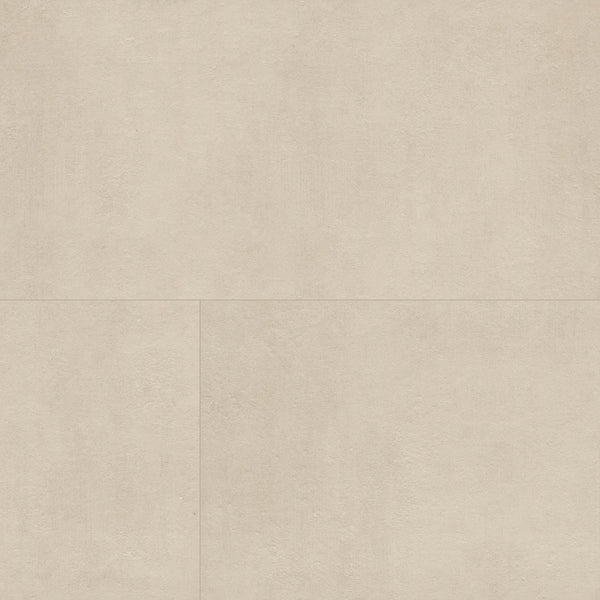
The visual range is broad, marble-look, stone-look, concrete-look, solid colors. Outdoor kitchens often pair porcelain slab counters with matched porcelain pavers on the deck for material continuity.
Granite: the traditional durable answer
Natural granite handles outdoor exposure well, the dense igneous rock structure resists UV, freeze-thaw, and weathering. Specific colorways matter: lighter granites with high quartz content are most stable; some darker granites with mafic minerals can shift tone with UV exposure over years.
Granite outdoor kitchens want sealing at install and reseal every 3-5 years (slightly more than indoor) to handle the weather exposure. The maintenance is straightforward but real.
Sintered stone (Dekton, Neolith, Lapitec): the engineered alternative
The sintered stone category covers the same outdoor performance as porcelain slab. Some buyers prefer sintered stone's specific visual character (cleaner solid colors, more uniform engineered look) over porcelain. Performance is essentially equivalent. See our sintered stone vs natural quartzite guide.
What Doesn't Work Outdoors
Materials that routinely fail in unprotected outdoor kitchen exposure:
Marble. Calcium carbonate stones, including most marbles, are vulnerable to acid rain (yes, real acid rain in many climates), freeze-thaw if rain water enters the stone, and visible weathering. A marble outdoor counter looks beautiful at install and tired by year 5.
Quartzite (most varieties). Despite hardness comparable to porcelain, natural quartzite often has subtle calcium content or other minerals that don't handle weather perfectly. Specific dense quartzites can work; verify manufacturer outdoor rating before specifying.
Engineered quartz (Cambria, Caesarstone, Silestone). The polymer resins fail under UV exposure. Color shift, surface degradation, eventual delamination. Engineered quartz is specifically not warrantied for outdoor use by most manufacturers; specifying it outdoors guarantees premature failure.
Soapstone. Beautiful, but the soft surface combined with weather exposure produces accelerated wear. Indoor soapstone develops character over decades; outdoor soapstone deteriorates measurably within years.
Wood butcher block. Outdoor exposure destroys wood counters quickly regardless of treatment. Skip entirely for outdoor kitchens.
Cabinetry: The Second-Hardest Specification
Outdoor cabinetry has historically been the weakest link in outdoor kitchens. Most "outdoor cabinets" produced before 2020 had service lives of 5-10 years before visible degradation. The 2026 outdoor cabinet specifications are meaningfully better.
Stainless steel: the proven approach
304 or 316 stainless steel cabinet construction is the most-proven outdoor cabinetry. 316 (marine-grade) is correct for coastal applications; 304 handles inland conditions well. Stainless develops some surface character over decades but doesn't fail.
Visual: contemporary, industrial-leaning. Pairs well with porcelain slab counters; reads less warmly than wood-look alternatives.
Specifically-rated outdoor weather-resistant composites
Several manufacturers now produce outdoor-specific cabinetry in marine-grade composites, typically polymer materials engineered for outdoor exposure. The 2026 quality versions deliver service lives matching stainless. The visual range covers wood-look, painted-look, and contemporary engineered finishes.
This category is where 2026 outdoor kitchen cabinetry has improved most dramatically. Verify the specific manufacturer and confirm warranties for outdoor exposure (15+ year warranties are reasonable expectations for premium products).
What doesn't work: standard interior cabinetry
Standard interior MDF, plywood, or particleboard cabinets in outdoor exposure fail within 2-3 years. Even with weather treatments, the substrate isn't engineered for outdoor humidity cycling. Specifying interior cabinets in outdoor kitchens is the most common outdoor-kitchen mistake.
The Grill and Cooking Equipment
The grill itself, built-in or freestanding, is typically the longest-lasting element in any outdoor kitchen. Stainless steel construction, proven manufacturers, 10-15+ year service lives.
Specification considerations:
- Built-in grills integrate visually into the kitchen but make replacement more complex when the unit eventually needs replacing
- Freestanding grills under matching architectural canopies provide most of the integrated visual without permanent install
- Side burners, smokers, and other specialty cooking equipment should match the primary grill's brand and finish for visual coherence
Refrigeration
Outdoor refrigeration is more challenging than buyers typically realize. Standard interior refrigerators fail outdoors quickly, the compressors aren't rated for outdoor temperature swings, the seals don't handle humidity. Outdoor-specific refrigeration is required.
The category has matured but remains expensive. Specific manufacturers (Sub-Zero, U-Line, Perlick) produce outdoor-rated refrigeration with appropriate warranties. Service lives in genuine outdoor exposure are typically 8-12 years; less than indoor refrigeration but acceptable.
Flooring Beneath the Outdoor Kitchen
The deck flooring under the outdoor kitchen takes specific stresses, grease drips, food spills, frequent cleaning. The right materials:
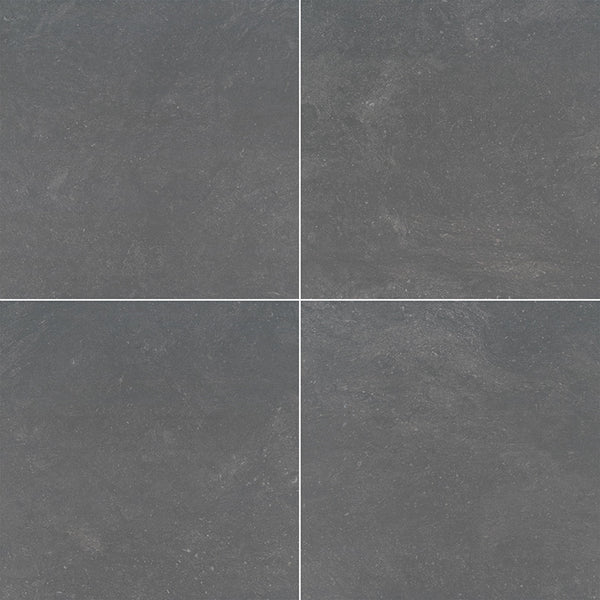
Porcelain pavers, exceptional resistance to grease and stains, easy cleaning, durable. The default for outdoor kitchen floors. See our porcelain vs natural stone pavers.
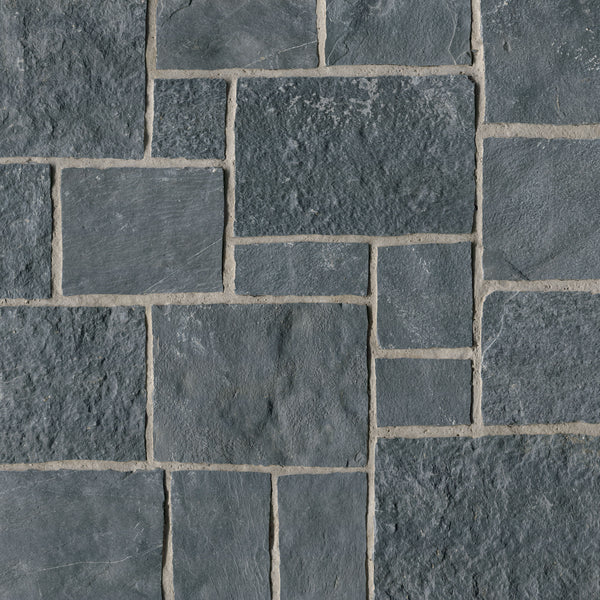
Sealed natural stone, works with regular sealing maintenance. The patina trajectory may include grease-related darkening at high-use zones; for some buyers this is character, for others damage.
Concrete pavers, adequate but cheap. The grease absorption produces visible staining over years.
Lighting Specifications
Outdoor kitchen lighting wants to handle two different uses, task lighting for actual cooking, ambient lighting for entertaining.
Task lighting: warm cool LED (3500K-4000K) directly above cooking and prep zones, weather-rated fixtures, dimmable. Sufficient brightness for actual food preparation.
Ambient lighting: warm 2700K-3000K throughout the broader outdoor kitchen and dining area, dimmable to low evening levels, integrated with deck and dining-area lighting. The kitchen should read warm and inviting in evening use rather than as a brightly-lit work zone.
Covered vs Uncovered Outdoor Kitchens
One of the largest specification decisions: is the outdoor kitchen covered (under a roof, pergola, or substantial canopy) or genuinely uncovered? The answer affects nearly every other specification.
Covered outdoor kitchens can use a broader material range. The roof eliminates direct UV, rain, and most weather exposure. Materials that wouldn't survive uncovered (some natural stones, high-quality wood-look composites, even some standard interior cabinetry with weather treatment) can perform adequately under cover.
Uncovered outdoor kitchens demand the full outdoor-rated specification, porcelain slab counters, stainless or specifically-rated composite cabinetry, outdoor-rated refrigeration, weather-rated lighting throughout.
The covered option is generally the better investment because it dramatically extends usable hours (rain doesn't end the cooking session, hot midday sun has shade) and protects the substantial outdoor kitchen investment. We cover the broader covered-outdoor-living question in our 2026 outdoor living trends guide.
Climate-Specific Considerations
Hot dry climates (Southwest US): UV is the primary stressor. Porcelain slab counters mandatory; light-tone deck pavers for heat reflectance (see our heat reflectance guide); shaded cooking zone strongly recommended.
Hot humid climates (Southeast US, Gulf Coast): Humidity and biological growth (mold, mildew) are added stressors. Stainless or 316-grade marine cabinetry preferred; covered structure essential; ventilation specifications for cooking zones important.
Freeze-thaw climates (Northeast, Mountain regions): Material freeze-thaw rating critical. Porcelain pavers and porcelain slab counters handle it; many natural stones don't. Winter-protective covers for grills and refrigeration recommended.
Coastal climates (within 5 miles of saltwater): Salt-air corrosion is the dominant stressor. 316 marine-grade stainless throughout; specific salt-rated finishes for hardware; rinse-and-cleaning routines more frequent than non-coastal.
The Investment Math
Outdoor kitchens are one of the higher-recovery hardscape investments when specified correctly (see our outdoor living vs kitchen resale guide). The conditions for high recovery: integrated covered structure, premium materials, sized for actual entertainment use rather than as oversized showpiece.
Cheap outdoor kitchens, non-rated materials, freestanding rather than integrated, generic appliances, recover poorly because the visible aging within 5-10 years subtracts from home value. Premium specifications recover well because they remain functional and attractive across the 10-20 year horizon most homeowners hold.
Where to Start
For outdoor kitchen projects, the right starting questions are: covered or uncovered, hot or cold climate, primary cooking or entertaining-and-occasional-cooking? Those answers drive the material specification. Browse porcelain slabs for the counter, porcelain pavers for the deck flooring, and granite slabs for the natural-stone counter alternative. For broader context, our 2026 outdoor living trends, investment case for premium hardscrape, and pool deck trends 2026.
Shop the range of granite slabs, and let the countertop and slab calculator convert your room dimensions into a quantity.
From the guide
Shop the surfaces in this guide