Buyer Guide
Sustainable Stone: Sourcing Standards and Embodied Carbon
Sustainability claims in residential surface materials have become routine, every manufacturer's marketing materials now mention sustainability somewhere. Most of the claims don't survive scrutiny. The genuine sustainability story for surface materials is more nuanced than the marketing usually allows, and the materials that perform best on sustainability are often not the ones that get marketed most heavily as "green."
This guide does the honest sustainability accounting for premium residential surfaces. What the relevant metrics actually measure, how each major material category performs against them, and where the trade-offs sit. For long-horizon owners and architects whose specifications increasingly include sustainability as a real consideration, the framework below replaces the marketing language with something closer to actual analysis.
The Three Sustainability Dimensions That Matter
Genuine surface-material sustainability divides into three dimensions that interact.
Embodied carbon, the total carbon emissions associated with extracting, manufacturing, transporting, and installing a material. Measured in kilograms CO2 equivalent per kilogram of material. Lower is better.
Service life, how long the material lasts before requiring replacement. Longer service life amortizes the embodied carbon across more years; a material with 60-year service life and double the embodied carbon often has lower lifecycle impact than a material with 20-year life and lower embodied carbon.
End-of-life behavior, what happens when the material is eventually replaced. Materials that can be recycled, repurposed, or returned to natural systems have lower lifecycle impact than materials that go to landfill.
The honest sustainability comparison considers all three dimensions across the full lifecycle. Materials marketed primarily on one dimension (low VOC, recycled content, "natural") can perform poorly on the others.
Natural Stone: The Lowest-Embodied-Carbon Counter Option
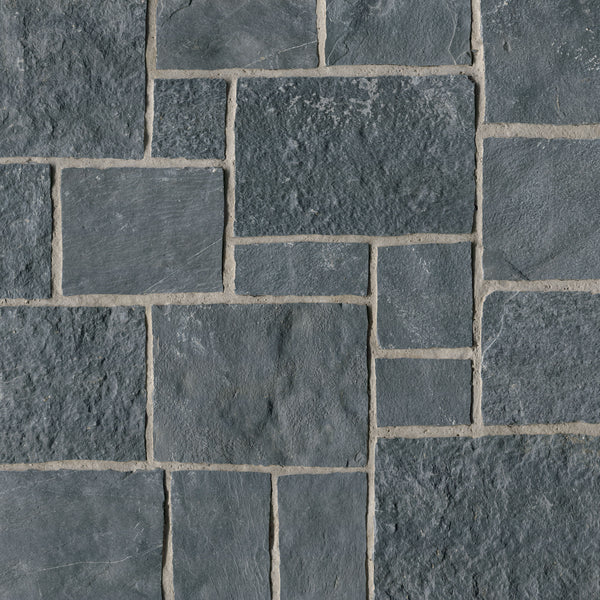
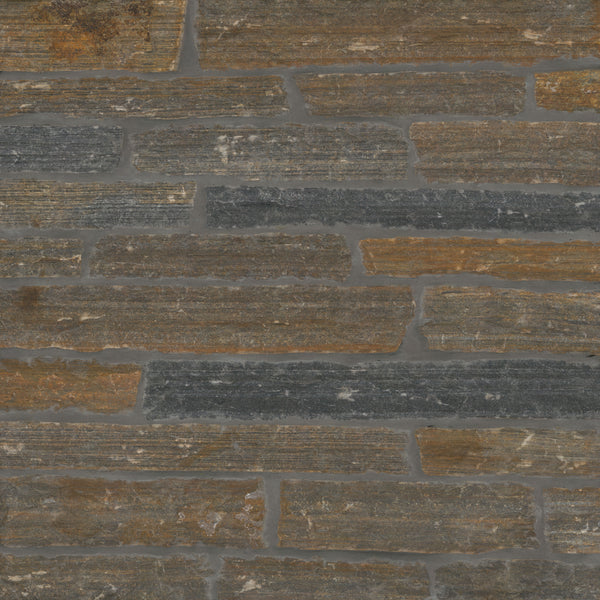
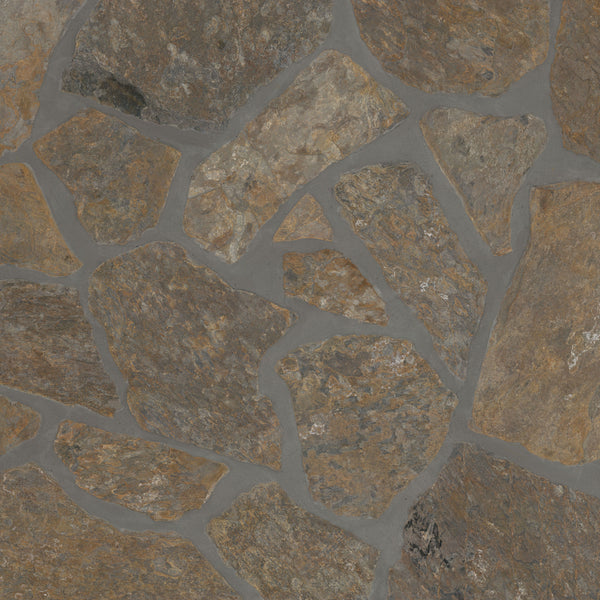
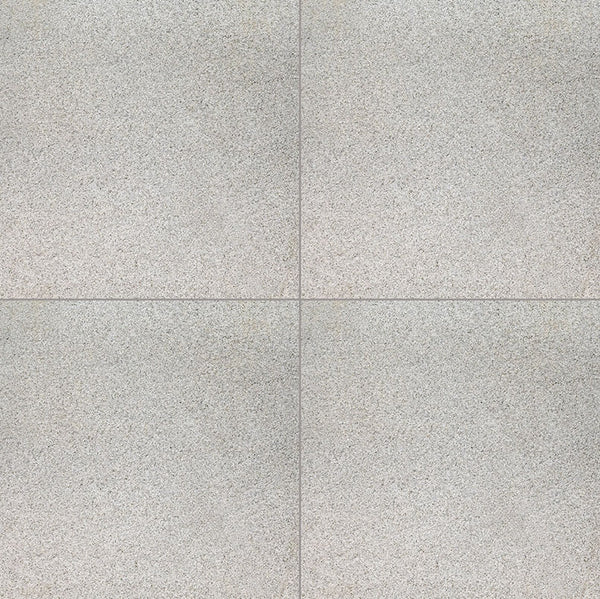
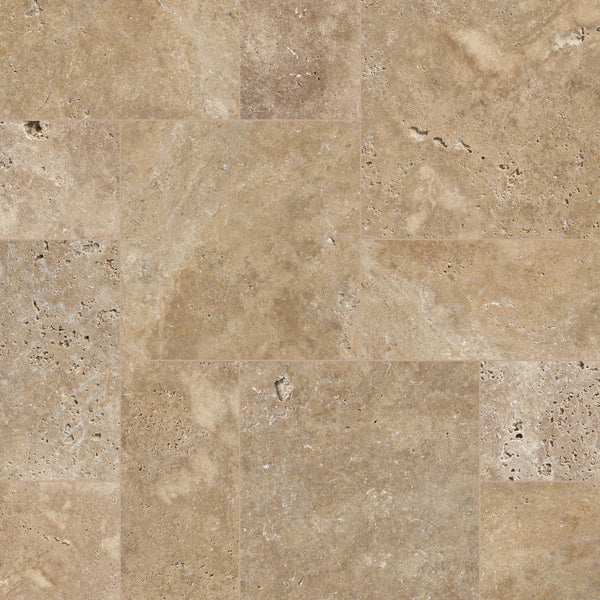
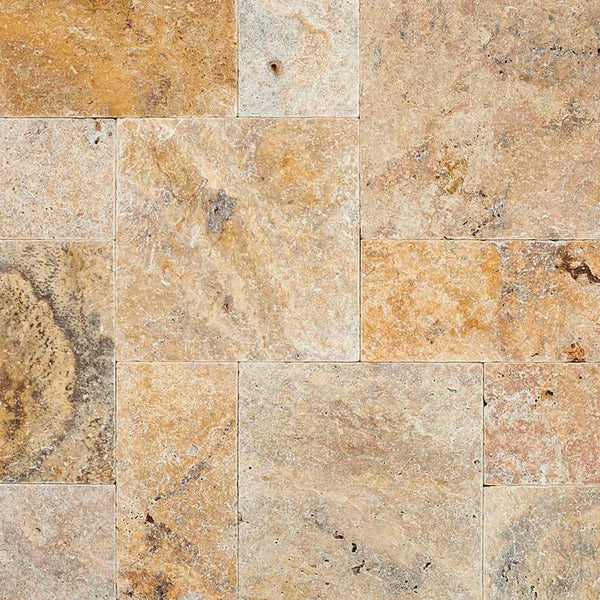
Natural stone, marble, granite, quartzite, soapstone, slate, has surprisingly low embodied carbon. The major energy input is quarrying and cutting; the manufacturing process is relatively simple compared to ceramics, polymers, or sintered stones. For domestic-quarried stone, transportation is also limited.
The key embodied-carbon variables for stone:
- Source proximity. American granite quarried in Vermont and shipped to Sacramento has dramatically lower transportation carbon than Italian marble shipped across the Atlantic and across the country.
- Quarrying method. Modern wire-saw quarrying produces less waste than older methods; some quarries operate on renewable energy.
- Processing efficiency. Stone with lower polishing-and-finishing demand has lower carbon than heavily-processed alternatives.
Across all sources, natural stone's combination of long service life (many marble counters in historic buildings have served 100+ years), recyclability (broken stone can be reused), and modest manufacturing carbon makes it one of the strongest sustainability picks for premium residential. Browse the slab catalog; for specific stones, marble, quartzite, soapstone.
Engineered Quartz: The Resin Carbon Cost
Engineered quartz (Cambria, Caesarstone, Silestone) consists of approximately 90% crushed quartz aggregate and 7-10% polymer resin binder. The polymer content is the embodied-carbon problem.
Polyester and other resin polymers have substantially higher embodied carbon per kilogram than the natural quartz aggregate. The 7-10% resin content drives the engineered quartz's overall carbon profile meaningfully higher than natural stone.
End-of-life behavior also degrades. Pure natural stone can be recycled or returned to gravel; engineered quartz with resin content typically can't be effectively recycled and goes to landfill.
Service life is good (20-30 years typically) but doesn't fully compensate for the higher embodied carbon and end-of-life issues.
Porcelain and Ceramic: The Firing Energy
Porcelain and ceramic tile manufacturing fires raw clay at extremely high temperatures (above 2,000°F) for extended periods. The firing energy is the dominant embodied-carbon component.
For premium porcelain, the firing energy is substantial, meaningfully higher per square foot than most natural stones. The carbon-per-square-foot advantage of natural stone over premium porcelain is real and measurable.
However, porcelain's exceptional service life (50+ years in residential applications, longer in some commercial), low maintenance requirements (no sealing, no chemical care), and excellent durability mean the embodied carbon amortizes across a much longer lifetime. For long-horizon applications, porcelain's lifecycle carbon can compete with natural stone despite the higher initial embodied carbon.
End-of-life recycling for porcelain is improving but still limited. Browse porcelain pavers, porcelain slabs, and ceramic and porcelain tile.
Sintered Stone: The Newer Engineered Category
Sintered stone (Dekton, Neolith, Lapitec) is essentially the same manufacturing process as porcelain, extreme heat and pressure on mineral aggregate, but with somewhat different chemistry and performance characteristics. Embodied carbon is similar to premium porcelain; long service life and excellent durability provide the same amortization argument.
For specific comparison with natural quartzite, see our sintered stone vs natural quartzite guide.
Hardwood: The Best-Performing Sustainability Choice (When Sourced Correctly)
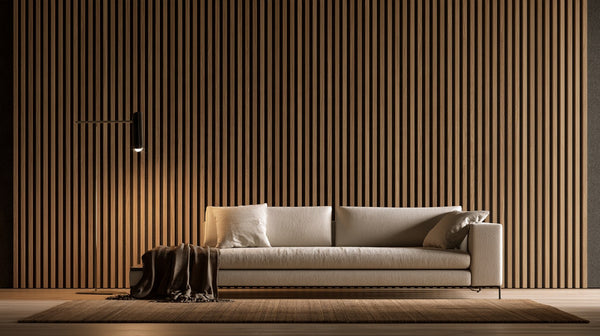
Hardwood from sustainably-managed sources is one of the strongest sustainability choices in surface materials.
The embodied carbon for hardwood is actually negative, wood sequesters carbon during tree growth, and well-managed forests sequester more carbon over the long horizon than they emit through processing. The wood retains the sequestered carbon throughout its service life as a floor.
The conditions that matter:
- FSC (Forest Stewardship Council) or similar third-party certification of sustainable forest management
- Domestic sourcing where possible (transportation carbon)
- Quality construction supporting long service life (premium hardwood floors easily serve 50+ years with periodic refinishing)
- Refinishing rather than replacement (refinishing extends service life dramatically with minimal additional carbon)
For specific specifications, browse the hardwood collection and see our flooring decision pillar.
LVT and Vinyl: The PVC Question
Luxury vinyl tile and waterproof rigid core flooring are PVC-based products. PVC has well-documented sustainability concerns: production releases hazardous compounds, end-of-life recycling is limited, and the materials themselves are essentially permanent in landfills.
The mitigating factors:
- Service life is meaningful (15-25 years for premium products)
- Some manufacturers are introducing PVC-free or recycled-content alternatives
- The product replaces materials with their own sustainability concerns (carpet, laminate)
For projects where waterproof flooring is required and natural alternatives don't fit, premium LVT remains the strongest available option, accepting the PVC sustainability trade-offs. For specifically-sustainable projects, the PVC concerns are real and may favor alternatives where possible.
The Service-Life Multiplier
One specific framework worth understanding: the "annualized embodied carbon", the embodied carbon divided by the expected service life. This metric better captures the material's sustainability than embodied carbon alone.
A natural stone counter with embodied carbon of 200 kg CO2/m² and 60-year service life: annualized impact ≈ 3.3 kg CO2/m²/year.
An engineered quartz counter with 280 kg CO2/m² and 25-year service life: annualized impact ≈ 11.2 kg CO2/m²/year.
A premium hardwood floor at 150 kg CO2 sequestered/m² and 60-year service life with periodic refinishing: net carbon negative across the lifecycle.
The implication: long-life, lower-maintenance materials substantially outperform shorter-life alternatives even when embodied carbon is similar. This is one reason premium specifications often have better sustainability profiles than budget alternatives.
Sourcing Transparency
The sustainability claims that survive scrutiny typically come with documentation:
- Source quarry or factory location
- Third-party certifications (FSC for wood, EPDs for stone and ceramic, others)
- Embodied carbon disclosures
- Supply chain documentation
Manufacturers and dealers serious about sustainability provide this documentation on request. Generic "sustainable" claims without supporting documentation should be treated skeptically.
For specific Citadel materials, the curated sourcing standards include source documentation for premium specifications. The slab and hardwood catalogs identify sources for major products.
The Maintenance and Use Sustainability
One often-ignored sustainability dimension: the ongoing maintenance and use carbon.
Materials that require frequent professional cleaning (commercial stripping, etc.) have higher use-phase carbon than materials with minimal maintenance. Materials that require chemical sealing and cleaning have higher carbon than materials that don't. Materials in heated subfloor applications affect HVAC energy use.
Across the full use phase, low-maintenance materials with thermal benefits (light-colored surfaces in hot climates that reduce cooling loads, dark surfaces in cold climates with passive solar exposure) can deliver meaningful operational carbon savings beyond their embodied carbon impact.
The Composite Sustainability Profile
For premium residential projects with sustainability as a real consideration, the composite ranking across embodied carbon, service life, and end-of-life behavior:
Best: FSC-certified domestic hardwood, locally-quarried natural stone (granite, slate, soapstone), and refinishable premium hardwood. Long lives, low maintenance, often net-negative or low-net carbon.
Strong: Premium imported natural stone (transportation costs but otherwise excellent), premium porcelain (high embodied carbon but very long life and minimal use-phase impact), domestic quartzite.
Moderate: Engineered quartz (resin content adds carbon, but service life is reasonable), domestic engineered hardwood, premium LVT/WPC (PVC concerns offset by wet-area function and service life).
Weak: Cheap LVT with short service life, low-quality concrete pavers, products with poor or no sourcing transparency.
Where to Start
For projects with sustainability as a meaningful specification consideration, the highest-leverage moves: prioritize natural stone and FSC-certified hardwood where the application supports them, choose long-service-life materials in premium tiers (which amortize embodied carbon better), source domestically where possible, and verify documentation for sustainability claims. Browse hardwood, natural stone tiles, natural stone pavers, countertops and slabs, and soapstone slabs. For broader context, our material aging playbook (long-life materials), biophilic design 2026 (the natural-material direction), and premium surfaces as long-cycle hedge.
From the guide
Shop the stone in this guide